

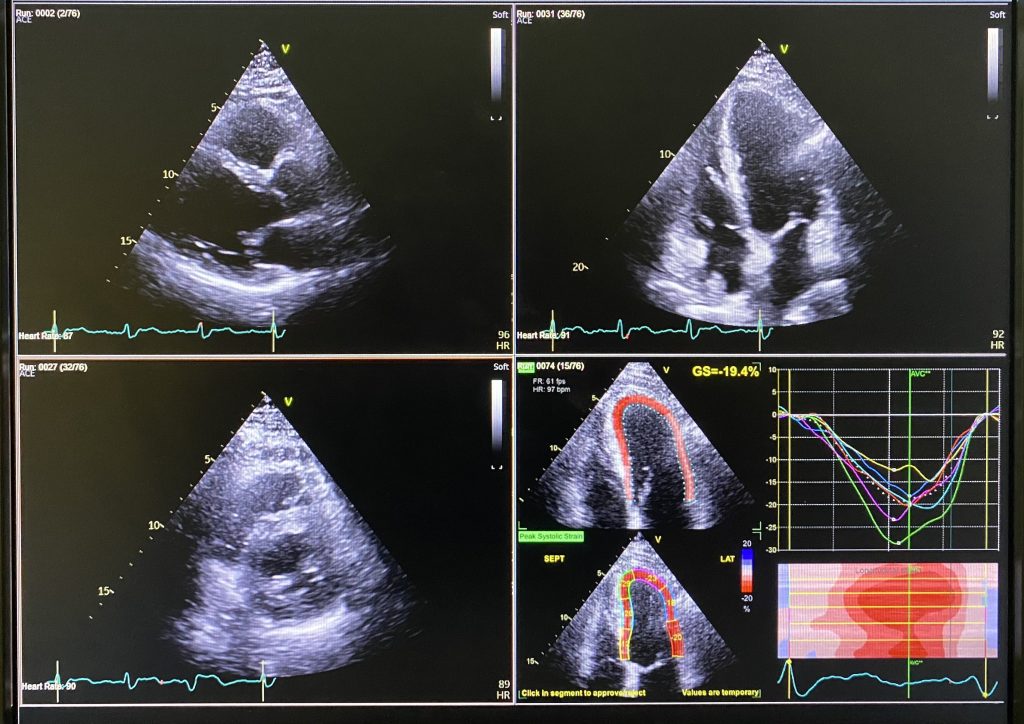
A cardiac imaging test is a non-invasive diagnostic procedure that creates detailed pictures of your heart and blood vessels to assess their structure, function, and blood flow. These tests help Cardiologists diagnose heart conditions, monitor existing problems, and plan appropriate treatments.
Dr Navin Chandra, a Consultant Cardiologist practising in Berkshire (Windsor, Ascot, Slough & surrounding areas) specialising in cardiovascular imaging and uses these advanced diagnostic tools to provide comprehensive heart screening and assessment for his patients.
What Types of Cardiac Imaging Tests Are Available?
Several different cardiac imaging tests are available, each offering unique insights into your heart’s health. Your c
Cardiologist will recommend the most appropriate test based on your risk profile, symptoms and medical history.
Echocardiogram
An echocardiogram uses ultrasound waves to create moving pictures of your heart. This cardiac imaging test shows how well your heart chambers and valves are working, and can detect problems with heart muscle function.
Non-invasive and painless procedure
Takes approximately 30-45 minutes
No radiation exposure
Can be performed during rest or exercise
To perform this test you need to remove clothing from the waist up but will be covered with a gown or blanket. A physiologist will place an ultrasound probe on various places on your chest to acquire the pictures of your heart.
Cardiac CT Scan
A cardiac CT (computed tomography) scan uses X-rays to create detailed cross-sectional images of your heart and coronary arteries. This cardiac imaging test is particularly useful for detecting coronary artery disease and calcium deposits.
Cardiac MRI
Magnetic resonance imaging (MRI) of the heart uses powerful magnets and radio waves to produce highly detailed images. This cardiac imaging test provides excellent visualisation of heart muscle, chambers, and blood vessels without radiation exposure.
Nuclear Heart Scan
Nuclear imaging tests use small amounts of radioactive material to evaluate blood flow to the heart muscle. These cardiac imaging tests can identify areas of reduced blood supply and assess heart function during rest and stress.
Why Might You Need a Cardiac Imaging Test?
Dr Navin Chandra may recommend a cardiac imaging test for various reasons related to your heart health. These tests help diagnose conditions and guide treatment decisions.
Common reasons for cardiac imaging include:
Chest pain or discomfort
Shortness of breath
Irregular heartbeat or palpitations
Dizziness or blackouts
Family history of heart disease
High blood pressure or cholesterol
Monitoring existing heart conditions
Pre-operative assessment
Evaluation after heart attack
How Do You Prepare for a Cardiac Imaging Test?
Preparation for a cardiac imaging test varies depending on the specific type of scan you’re having. Your healthcare team will provide detailed instructions before your appointment.
General Preparation Guidelines
Most cardiac imaging tests require minimal preparation, but some important considerations include:
Wearing comfortable, loose-fitting clothing
Removing jewellery and metal objects
Following fasting instructions if required
Taking medications as prescribed
Informing staff about medication history, allergies or other medical conditions
Specific Test Requirements
Some cardiac imaging tests may require additional preparation. For example, stress tests may require you to avoid caffeine, while contrast-enhanced scans may need kidney function assessment beforehand.
What Happens During a Cardiac Imaging Test?
The experience of having a cardiac imaging test depends on the specific type of scan, but most procedures are straightforward and comfortable for patients.
During most cardiac imaging tests, you can expect:
Check-in and preparation in a comfortable environment
Positioning on an examination table or chair
Attachment of monitoring equipment if needed
The actual imaging procedure
Brief recovery period if contrast was used
Maintenance of your privacy and dignity throughout
The imaging technologist will explain each step and ensure your comfort throughout the procedure. Most cardiac imaging tests are painless, though you may need to hold your breath briefly or remain still during scanning.
What Can Cardiac Imaging Tests Detect?
Cardiac imaging tests can identify a wide range of heart conditions and provide valuable information about your cardiovascular health. These diagnostic tools help Cardiologists make accurate diagnoses and treatment recommendations.
Conditions that cardiac imaging tests can detect include:
Coronary artery disease
Heart valve problems
Heart muscle disorders (cardiomyopathy)
Congenital heart defects
Heart rhythm abnormalities
Blood clots in the heart
Inflammation of heart tissues
Previous heart attack damage
Are Cardiac Imaging Tests Safe?
Cardiac imaging tests are generally very safe procedures with minimal risks. The benefits of accurate diagnosis typically far outweigh any potential risks associated with these tests.
Safety considerations vary by test type:
Echocardiograms have no known risks
CT scans involve minimal radiation exposure
MRI scans are safe but require screening for metal implants
Nuclear scans use very small amounts of radioactive material
Your Cardiologist will discuss any specific risks or precautions relevant to your situation before recommending a particular cardiac imaging test.
Understanding Your Cardiac Imaging Results
After your cardiac imaging test, a specialist will analyse the images and prepare a detailed report. Your Cardiologist will then discuss the results with you and explain what they mean for your health.
The results of your cardiac imaging test will help determine:
Whether your heart is functioning normally
If any treatment is needed
The need for additional tests
Lifestyle modifications that may help
Follow-up monitoring requirements
Dr Navin Chandra ensures that patients fully understand their cardiac imaging results and what steps may be recommended for optimal heart health.
Conclusion
Cardiac imaging tests are valuable diagnostic tools that provide detailed information about your heart’s structure and function. These safe, non-invasive procedures help Cardiologists diagnose heart conditions early and develop appropriate treatment plans tailored to your individual needs.
If you’re experiencing symptoms that may be related to your heart, or if you’re interested in heart screening, a cardiac imaging test may be recommended. To find out whether a cardiac imaging test may be suitable for you, book a consultation with Dr Navin Chandra.
Have Questions About Your Heart Health?
Schedule a consultation with Dr Chandra to discuss personalized strategies for maintaining optimal cardiovascular health.


