Percutaneous coronary interventions (PCI) advantages are significant for patients suffering from coronary artery disease (CAD). This minimally invasive technique offers numerous benefits over traditional surgical options, making it a preferred choice for many clinicians and patients alike. In this article, we will explore the numerous advantages of PCI, explain the procedure, and discuss its implications for patient care.
Dr Navin Chandra is a Consultant Interventional Cardiologist specialising in coronary artery intervention, structural heart disease, sports cardiology, and inherited cardiac conditions. With a wealth of experience and a strong emphasis on patient-centred care, Dr Chandra provides comprehensive management for all adult cardiac conditions, including both private and NHS practice in East Berkshire & South Buckinghamshire and surrounding areas.
What Are Percutaneous Coronary Interventions?
Percutaneous coronary interventions, commonly known as PCI, involve catheter-based techniques to treat obstructed coronary arteries. This procedure typically includes coronary angioplasty and stenting, aiming to restore blood flow to the heart muscle. The need for PCI arises when patients experience symptoms such as chest pain, shortness of breath, or fatigue due to narrowed or blocked arteries.
What Are the Key Advantages of Percutaneous Coronary Interventions?
The advantages of percutaneous coronary interventions are numerous, making this approach an increasingly popular choice for treating coronary artery disease in the right patient. Below are some key benefits:
- Minimally Invasive: PCI requires only small incisions, usually in the wrist or groin, which leads to less trauma compared to open-heart surgery.
- Shorter Recovery Time: Patients often experience a quicker recovery, allowing them to resume normal activities within a few days rather than weeks.
- Reduced Hospital Stay: Most patients can go home the same day or the following day after the procedure, reducing hospital-related risks. Studies indicate that over 90% of PCI patients are discharged within 24 hours, a contrast to traditional surgeries that may require several days in hospital.
- Lower Risk of Complications: The minimally invasive nature of PCI generally results in fewer complications compared to traditional surgery. According to recent data, the complication rates for PCI are less than 1%.
- Effective Symptom Relief: PCI can quickly alleviate symptoms associated with coronary artery disease, enhancing the patient’s quality of life.
- Preservation of Heart Function: By restoring blood flow promptly, PCI helps in preserving heart muscle function and preventing further complications.
How Do Percutaneous Coronary Interventions Work?
The PCI procedure typically follows these steps:
- Preparation: The patient is positioned comfortably, and local anaesthesia is administered to numb the area where the catheter will be inserted.
- Catheter Insertion: A thin, flexible tube (catheter) is inserted through a small incision into a blood vessel, usually in the wrist or thigh.
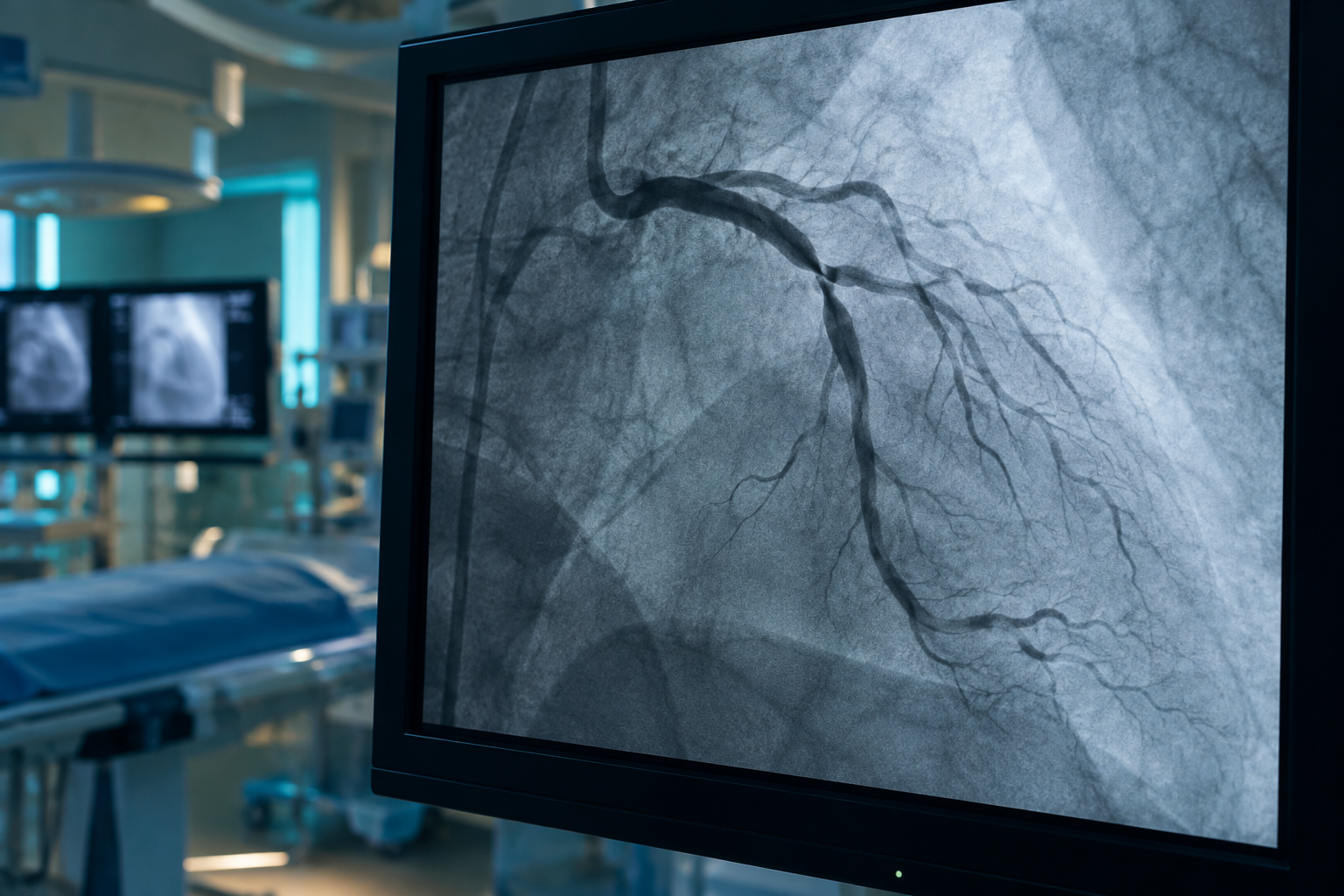
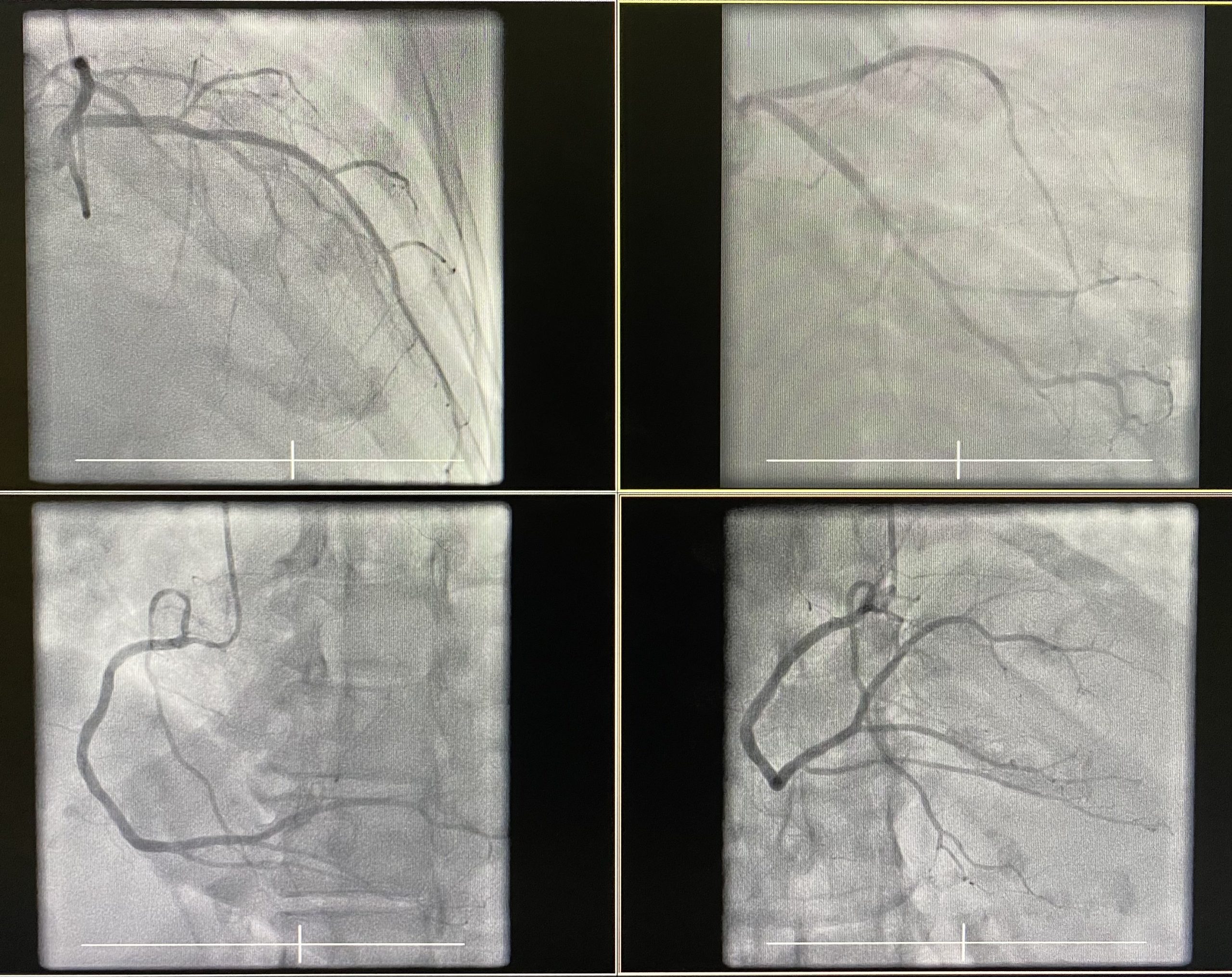
- Guiding the Catheter: The catheter is carefully guided to the coronary arteries using advanced imaging techniques.
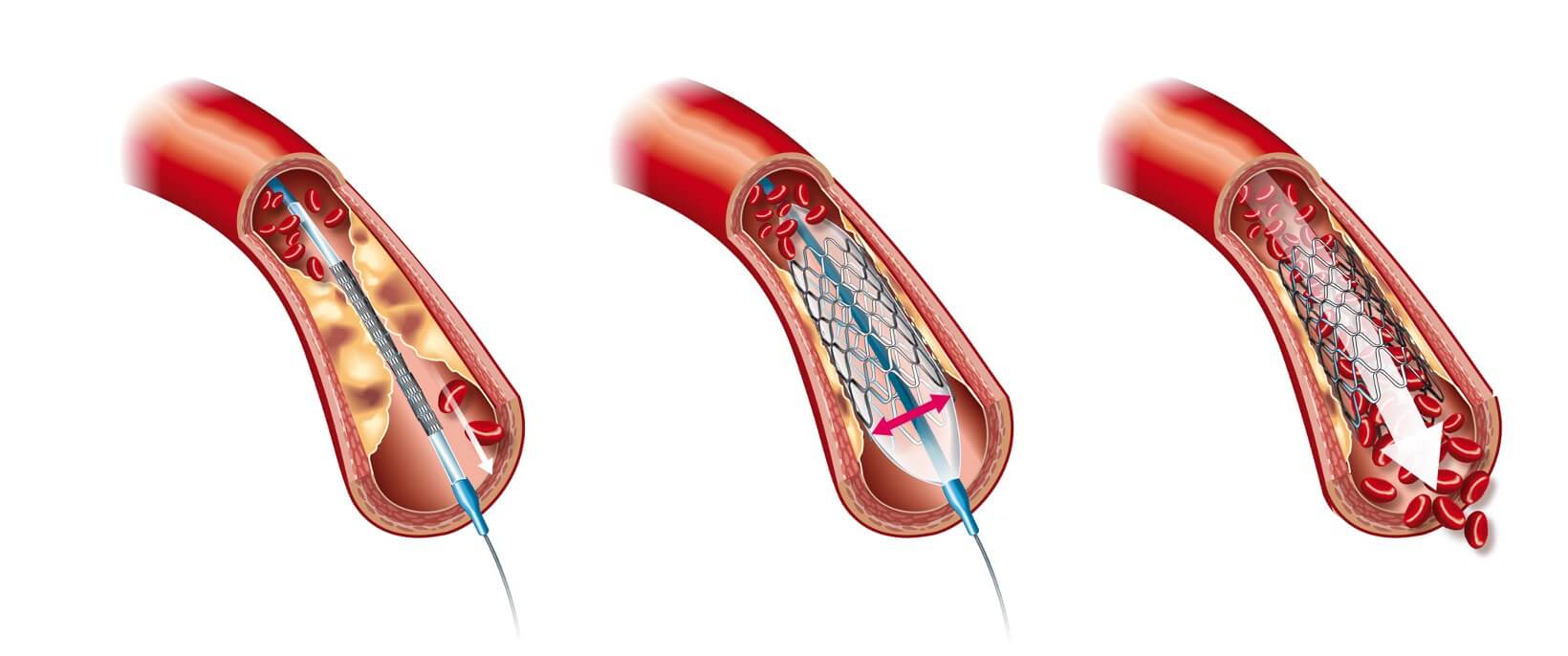
- Balloon Angioplasty: Once in place, a small balloon at the tip of the catheter is inflated to widen the narrowed artery.
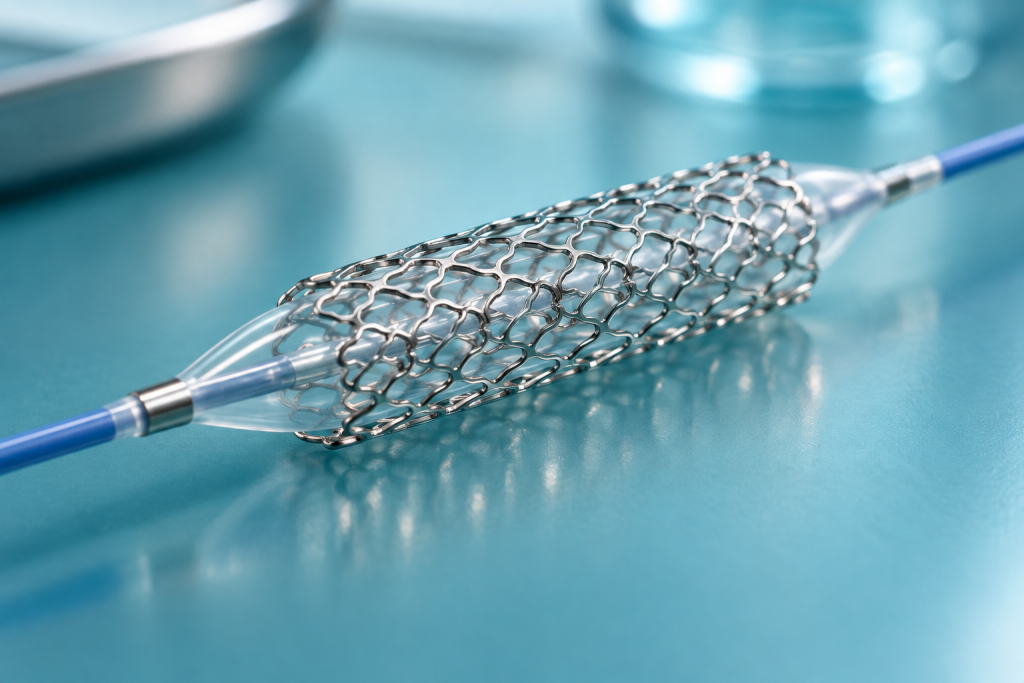
- Stent Placement: In many cases, a stent (a small metallic mesh tube) is placed to keep the artery open, preventing future blockages.
- Completion: The catheter is removed, and pressure is applied to the insertion site to prevent bleeding.
Who Can Benefit from Percutaneous Coronary Interventions?
Percutaneous coronary interventions are typically recommended for patients with:
- Significant coronary artery disease causing symptoms such as angina despite medications.
- Acute coronary syndromes, including heart attacks.
- Coronary artery blockages that are not suitable for medical management alone.
- Previous bypass surgery that has failed.
However, the suitability for PCI can vary based on individual health conditions, and it is essential to consult a specialist for a thorough evaluation.
Are There Any Risks Associated with Percutaneous Coronary Interventions?
While PCI is generally safe, like any medical procedure, it carries some risks, including:
- Bleeding at the catheter insertion site.
- Allergic reactions to contrast dye used during the procedure.
- Damage to blood vessels or surrounding tissues.
- Rarely, a heart attack or stroke can occur during or after the procedure.
It’s crucial for patients to discuss these risks with their Cardiologist, who can provide guidance tailored to their specific health profile.
What Can Patients Expect After the Procedure?
After a percutaneous coronary intervention, patients are typically monitored for a few hours before being discharged. Most individuals will receive instructions on:
- Activity restrictions, particularly avoiding heavy lifting or strenuous exercise for a period.
- Medications, including antiplatelet drugs, to prevent clot formation.
- Signs of complications, such as unusual pain or swelling at the catheter site.
Follow-up appointments with a Cardiologist, such as Dr Navin Chandra, are essential to monitor recovery and ensure optimal heart health.
Frequently Asked Questions
What are the main advantages of percutaneous coronary interventions?
The main advantages of percutaneous coronary interventions include being minimally invasive, shorter recovery time, reduced hospital stays, and lower risk of complications compared to traditional surgery in the right patient.
How long does the PCI procedure take?
The entire PCI procedure usually takes about 30 to 90 minutes, although this can vary based on the complexity of the case.
Will I need to stay in the hospital after PCI?
Most patients can go home the same day or the following day after a PCI, but this depends on individual recovery and any complications that may arise.
What should I avoid after having PCI?
Patients are generally advised to avoid heavy lifting and strenuous activities for at least a week following the procedure, as well as adhering to any prescribed medication regimens.
Can PCI be repeated if necessary?
Yes, if a blockage recurs or new blockages develop, PCI can be performed again, depending on the individual’s health status and the specific circumstances.
Conclusion
Percutaneous coronary interventions offer numerous advantages for patients with coronary artery disease, making it a vital option in modern Cardiology. With a focus on minimally invasive techniques and rapid recovery, this procedure not only alleviates symptoms but also enhances the overall quality of life for many individuals. If you are considering whether percutaneous coronary interventions may be required and suitable for you, please book a consultation with Dr Navin Chandra to discuss your options and receive personalised care.
Have Questions About Your Heart Health?
Schedule a consultation with Dr Chandra to discuss personalized strategies for maintaining optimal cardiovascular health.