Understanding which screening is used to test for cardiovascular disease usually comes down to three things: your symptoms, your personal and family history, and your overall risk profile.
For most adults, screening begins with simple, non-invasive checks such as blood pressure measurement, a cholesterol blood test and an electrocardiogram (ECG), followed where appropriate by an echocardiogram, an exercise or stress test, or advanced imaging such as a CT coronary angiogram. These tests are used to look for narrowed coronary arteries, valve problems, rhythm disturbances and structural changes in the heart muscle, often long before symptoms become limiting. Screening does not diagnose every heart problem on its own, but a well chosen combination of tests gives a clear and reassuring picture of heart health.
This guide has been prepared by Dr Navin Chandra, a Consultant Interventional Cardiologist who sees patients in East Berkshire & South Buckinghamshire. His practice covers cardiovascular conditions, with sub-specialist interests in coronary artery intervention (PCI and coronary stenting), structural heart disease, sports cardiology and inherited cardiac conditions. He works as a Consultant Interventional Cardiologist at Frimley Health NHS Foundation Trust and as an Honorary Consultant Cardiologist at Royal Brompton & Harefield NHS Foundation Trust, offering both NHS and private Cardiology care.
Why Does Screening for Cardiovascular Disease Matter?
Cardiovascular disease is an umbrella term covering conditions affecting the heart and blood vessels, including coronary artery disease, heart failure, heart valve disease such as aortic stenosis, and abnormal heart rhythms. According to the British Heart Foundation, heart and circulatory diseases remain one of the leading causes of death in the UK, yet many of the risk factors involved are treatable once identified.
The purpose of screening is early detection. High blood pressure, raised cholesterol and impaired glucose control rarely cause symptoms in their early stages, but each quietly increases risk over years. Identifying them allows lifestyle changes and, where appropriate, medication to be started before a heart attack or stroke occurs. Screening can also uncover silent structural problems, such as a narrowing aortic valve or a thickened heart muscle, which may need monitoring rather than immediate treatment.
It is worth being realistic about what screening can and cannot do. No test can guarantee that a cardiac event will never happen. What a well designed screening programme can do is reduce uncertainty, guide prevention and highlight the small number of people who need closer follow-up or intervention.
Which Screening Is Used to Test for Cardiovascular Disease First?
First-line screening is deliberately simple, safe and widely available. The NHS offers a free NHS Health Check to eligible adults aged 40 to 74, which assesses many of the core cardiovascular risk factors. In private practice, the same measurements form the foundation of any heart screening assessment.
Risk Factor Assessment and Blood Tests
Before any imaging is considered, a Cardiologist will review your risk factors and arrange baseline blood tests. These commonly include:
- Blood pressure measurement, sometimes repeated at home or over 24 hours
- A full lipid profile, including total cholesterol, LDL, HDL and triglycerides
- Blood glucose or HbA1c to screen for diabetes and pre-diabetes
- Kidney and thyroid function tests, as both influence cardiovascular risk
- Body mass index, waist measurement and a smoking and alcohol history
These results are often combined into a validated risk calculator such as QRISK, which estimates the chance of a cardiovascular event over the next ten years. NICE guidance supports using formal risk assessment tools to decide who may benefit from preventive treatment such as statin therapy.
The Electrocardiogram (ECG)
An ECG records the electrical activity of the heart through small stickers placed on the chest, arms and legs. It takes a few minutes, is painless and involves no radiation. An ECG can show evidence of a previous heart attack, an abnormal rhythm such as atrial fibrillation, thickening of the heart muscle or, occasionally, patterns suggesting an inherited electrical condition. A normal ECG does not rule out coronary artery disease, which is why it is usually interpreted alongside other findings.
Which Screenings Are Used to Test for Cardiovascular Disease in More Depth?
If the initial assessment raises questions, or if symptoms such as chest pain, breathlessness or palpitations are present, more detailed tests may be recommended. The choice depends on what needs to be answered: is the heart pumping normally, are the valves working, are the arteries narrowed, or is the rhythm irregular?
Echocardiography
An echocardiogram is an ultrasound scan of the heart. It shows the size and thickness of the heart chambers, how strongly the heart is pumping, and how well each of the four valves opens and closes. It is the main test used to assess conditions such as aortic stenosis, mitral valve disease and heart failure, and it is central to screening for cardiomyopathies in families with inherited cardiac conditions. There is no radiation involved and the scan typically takes twenty to thirty minutes.
Exercise and Stress Testing
Exercise testing assesses how the heart behaves under physical demand. This may involve a treadmill or bike test with continuous ECG monitoring, a stress echocardiogram, or a cardiopulmonary exercise test that also measures breathing and oxygen use. These tests can reveal symptoms, blood pressure responses or rhythm changes that only appear on exertion, which makes them particularly useful in Sports Cardiology and in assessing exercise-related chest pain.
CT Coronary Angiography and Calcium Scoring
When the question is specifically whether the coronary arteries are narrowed, CT coronary angiography is often the test of choice. A CT scanner takes detailed images of the arteries after a contrast dye is injected into a vein, producing a clear picture of any plaque or narrowing. A coronary artery calcium score, obtained from a low-dose CT scan, quantifies calcified plaque and helps refine risk estimates in people without symptoms. NICE recommends CT coronary angiography as a first-line investigation for many patients presenting with stable chest pain that could be cardiac in origin.
Heart Rhythm Monitoring
Palpitations, dizziness and blackouts are often intermittent, so a single ECG may be normal. Ambulatory monitoring, using a 24-hour to 14-day recorder or an implantable loop recorder for rarer episodes, increases the chance of capturing the rhythm during symptoms. Detecting atrial fibrillation is particularly important because it is treatable and is a significant cause of stroke.
Cardiac MRI and Invasive Coronary Angiography
Cardiac MRI gives highly detailed images of the heart muscle and is valuable in assessing scarring, inflammation and cardiomyopathy. Invasive coronary angiography, performed through the wrist or groin, remains the definitive test for coronary artery disease and allows treatment such as coronary angioplasty and stenting (PCI) to be carried out during the same procedure if a significant narrowing is found. These tests sit at the more specialised end of the pathway and are recommended selectively rather than as routine screening.
Who Should Consider Cardiovascular Screening?
Screening is not necessary for everyone, and unnecessary testing can cause avoidable anxiety. A cardiology assessment may be appropriate for people who:
- Have symptoms such as chest pain or tightness, unexplained breathlessness, palpitations, dizziness or fainting
- Have a strong family history of heart disease, sudden cardiac death or an inherited cardiac condition
- Have high blood pressure, raised cholesterol, diabetes or a history of smoking
- Take part in competitive or high-intensity sport and want a pre-participation assessment
- Are planning to start intensive exercise after a long period of inactivity
- Are already known to have a heart condition and need structured monitoring
Which Screening Is Used to Test for Cardiovascular Disease in Athletes?
Sports Cardiology screening usually combines a detailed personal and family history, a physical examination, a resting ECG and an echocardiogram. The aim is to identify the small number of athletes with conditions such as hypertrophic cardiomyopathy, arrhythmogenic cardiomyopathy or an inherited channelopathy that may increase the risk of exercise-related cardiac events. Interpreting ECGs in athletes requires specialist experience, because intensive training itself causes changes that can mimic disease.
Which Screening Is Used to Test for Cardiovascular Disease in Families With Inherited Conditions?
Where a close relative has been diagnosed with an inherited cardiac condition or has died suddenly at a young age, family screening is advised. This typically involves clinical assessment, an ECG and an echocardiogram, with cardiac MRI, exercise testing or genetic testing added where indicated. Screening may need to be repeated periodically, particularly through adolescence and early adulthood, as some conditions only become apparent over time.
What Happens at a Heart Screening Appointment?
A private Cardiology assessment with Dr Navin Chandra generally follows a clear sequence, so you know what to expect:
- A detailed consultation covering symptoms, lifestyle, medication and family history
- Physical examination, including blood pressure, pulse and listening to the heart and lungs
- Baseline tests such as an ECG and blood tests
- Further imaging or functional testing if clinically indicated, for example echocardiography or CT coronary angiography
- A discussion of results, what they mean, and a personalised prevention or treatment plan
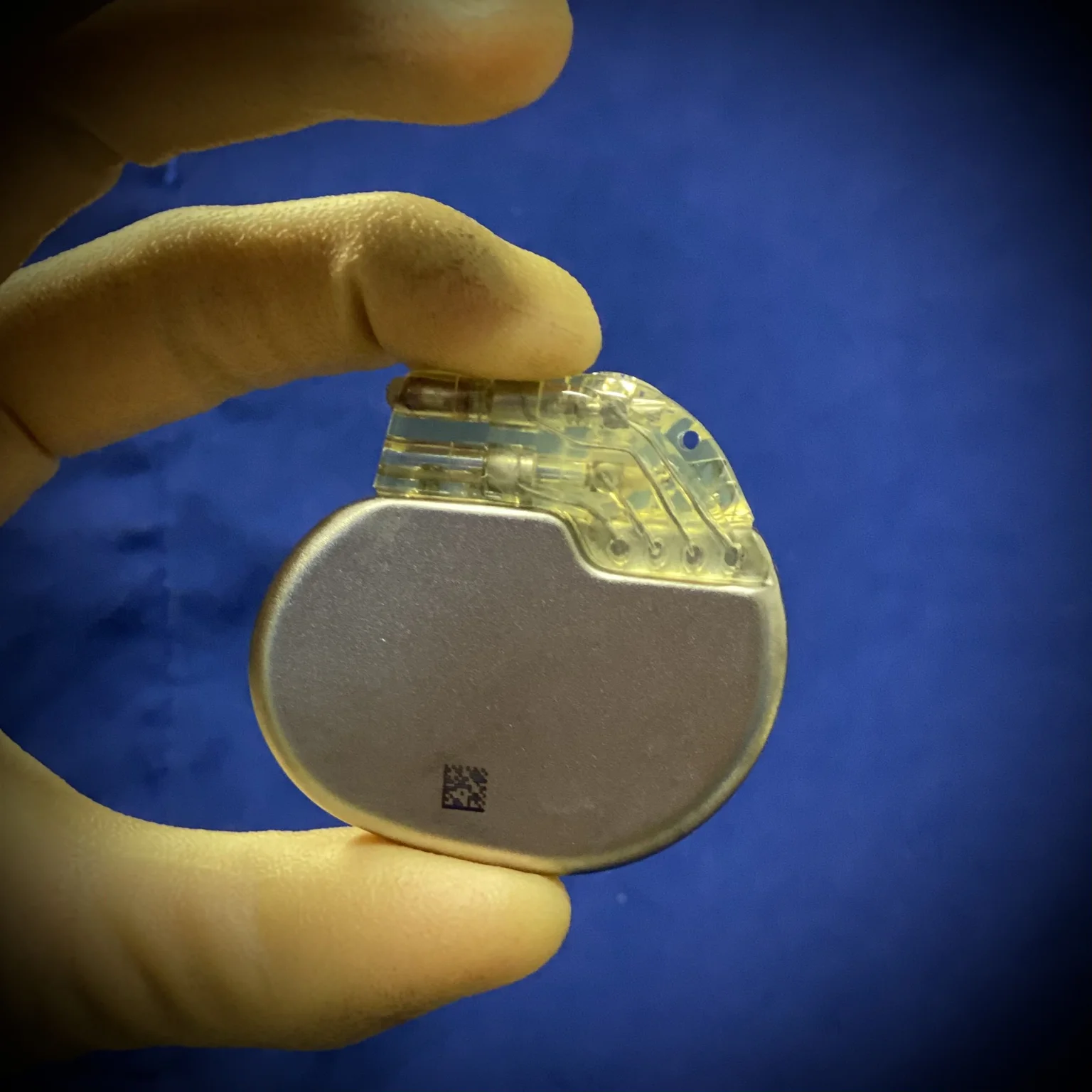
Most people leave with reassurance and practical advice on blood pressure, cholesterol, activity, diet and sleep. Where a problem is identified, options range from medication and risk factor management through to minimally invasive catheter-based procedures such as PCI, transcatheter aortic valve implantation (TAVI) or permanent pacemaker implantation, all of which Dr Navin Chandra performs. Your clinician will discuss the benefits, risks and alternatives of any recommended treatment with you before proceeding.
Frequently Asked Questions
Which screening is used to test for cardiovascular disease most commonly?
Blood pressure measurement, a cholesterol blood test and an ECG are the most commonly used first-line screenings for cardiovascular disease. Depending on the findings and any symptoms, an echocardiogram, exercise test or CT coronary angiogram may then be recommended to look more closely at the heart and coronary arteries.
Can a normal ECG rule out heart disease?
No. An ECG is a useful screening tool, but it can be entirely normal in someone with significant coronary artery narrowing. That is why an ECG is interpreted alongside your symptoms, risk factors and, where appropriate, imaging tests such as echocardiography or CT coronary angiography.
Is heart screening painful or risky?
Most screening tests, including blood pressure checks, ECGs and echocardiograms, are painless and carry no meaningful risk. CT scans involve a small radiation dose and contrast dye, while invasive angiography carries a low but real risk of complications. Your cardiologist will explain the balance of benefit and risk for each test.
At what age should cardiovascular screening begin?
For most people, routine risk assessment such as the NHS Health Check begins at 40. Earlier screening may be advised for those with a strong family history, an inherited cardiac condition, diabetes, or symptoms during exercise. Athletes are often assessed from adolescence onwards.
How long do heart screening results take?
ECG and echocardiogram findings are often discussed on the same day. Blood tests usually return within a day or two, while CT and MRI reports typically take a few working days. Your cardiologist will explain the results and any next steps clearly.
Does screening mean I will need treatment?
Not necessarily. Many people are reassured by normal results and simply receive prevention advice. Where abnormalities are found, the plan may involve monitoring, lifestyle changes, medication or, in selected cases, a procedure. Decisions are always made together with you.
Choosing which screening is used to test for cardiovascular disease is a clinical decision that should reflect your symptoms, your family history and your individual risk, rather than a one-size-fits-all package of tests. Used thoughtfully, screening offers early detection, clearer risk estimates and a practical plan for protecting your heart over the long term. To discuss whether cardiovascular screening may be suitable for you, or to arrange a specialist consultation, you are welcome to contact the practice of Dr Navin Chandra, Consultant Interventional Cardiologist, who offers both NHS and private Cardiology assessment, advanced cardiac imaging and interventional treatment.
Have Questions About Your Heart Health?
Schedule a consultation with Dr Chandra to discuss personalized strategies for maintaining optimal cardiovascular health.