

Understanding the Procedure
Transcatheter Aortic Valve Implantation (TAVI) is a minimally invasive procedure used to replace a damaged aortic valve without the need for open-heart surgery. This advanced treatment may help patients with severe aortic valve disease who are at high risk for traditional ‘open-heart’ surgical valve replacement. Dr Navin Chandra, an experienced Interventional Cardiologist serving Windsor, Berkshire, and Ascot, offers this specialised treatment for carefully selected patients who may benefit from this innovative approach.
What Is TAVI Treatment?
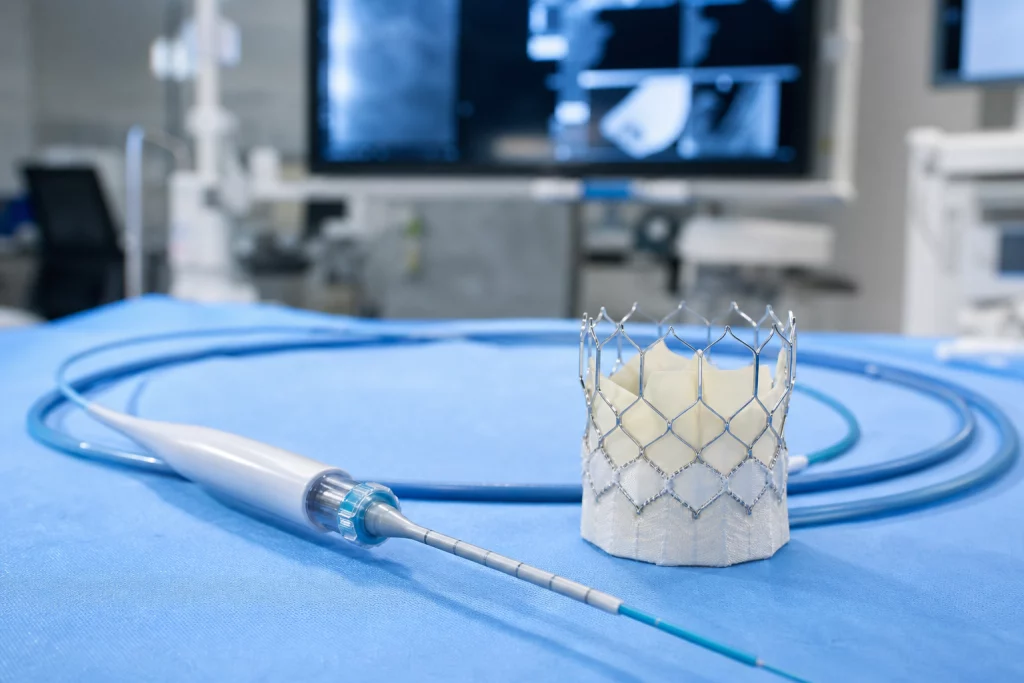
Transcatheter Aortic Valve Implantation is a cardiac procedure that involves inserting an artificial valve through a catheter, typically via an artery in the groin. Unlike traditional open-heart surgery, TAVI does not require opening the chest or stopping the heart during the procedure. The new valve is carefully positioned inside the existing damaged valve, where it immediately begins functioning to improve blood flow from the heart.
This treatment traditionally addresses severe aortic stenosis, a condition where the aortic valve becomes narrowed and restricts blood flow from the heart to the rest of the body. TAVI may be recommended when the risks of conventional surgery are considered too high, or when patients have other medical conditions that make traditional valve replacement challenging. TAVI can also be performed for a severely leaky aortic valve in appropriately selected patients.
Who May Benefit From TAVI Treatment?
TAVI may be suitable for patients with severe aortic stenosis who experience symptoms that significantly impact their quality of life. You may be considered for this treatment if you have:
- Severe shortness of breath during daily activities
- Chest pain or discomfort
- Dizziness or fainting episodes
- Reduced exercise tolerance
- Fatigue that limits normal activities
This procedure may be particularly appropriate for patients who are considered high-risk for traditional open-heart surgery due to age, other medical conditions, or previous cardiac procedures. Dr Chandra will assess your individual circumstances to determine whether TAVI could be suitable for your specific situation. Your case will be put through a multi-disciplinary Heart Team meeting to gain specialist expert consensus.
Conditions Treated with TAVI
TAVI primarily addresses severe aortic stenosis, a condition where calcium deposits or other factors cause the aortic valve leaflets to become thickened and stiff. This narrowing prevents the valve from opening properly, forcing the heart to work harder to pump blood through the restricted opening.
The procedure may also be considered for patients with:
- Calcific aortic stenosis
- Failed previous aortic valve surgery
- Aortic regurgitation in specific cases
- Bicuspid aortic valve disease if surgery is not feasible
- Patients who have previously undergone cardiac surgery or have multiple medical conditions that increase surgical risk may find TAVI offers a viable treatment option when conservative management is no longer effective.
Benefits of TAVI Treatment
TAVI may offer several potential advantages for suitable patients. The minimally invasive nature of the procedure may result in shorter recovery times compared to traditional open-heart surgery. Many patients experience improved symptoms relatively quickly after the procedure.
Potential benefits may include:
- Reduced shortness of breath
- Improved exercise capacity
- Better quality of life
- Shorter hospital stay
- Faster return to daily activities
- Lower risk of complications in high-risk patients
It’s important to understand that individual results vary, and your cardiologist will discuss the expected benefits based on your specific condition and overall health status.
Consultation and Assessment Process
Before TAVI treatment, you will undergo a comprehensive assessment to determine your suitability for the procedure. This evaluation typically includes a detailed medical history review, physical examination and frailty assessment. Dr Navin Chandra will discuss your symptoms, current medications, and any previous cardiac treatments.
Diagnostic tests may include:
- Echocardiogram to assess valve function
- CT scan to evaluate valve size and anatomy
- Cardiac catheterisation if required
- Blood tests and other investigations
The assessment process allows your cardiologist to determine whether TAVI is appropriate for your condition, discuss alternative treatment options, and explain the potential risks and benefits specific to your situation.
How TAVI Is Performed
TAVI is typically performed in a specialised cardiac catheterisation laboratory or hybrid operating theatre. The procedure is usually carried out under local anaesthetic with sedation, though general anaesthetic may be used in some cases.
During the procedure, a small incision is made, usually in the groin to access the femoral artery. A catheter system is then guided through the blood vessels to the heart. The new valve, which is compressed onto a balloon or self-expanding frame, is carefully positioned within the existing aortic valve. Once properly positioned, the new valve is deployed and immediately begins functioning.
The entire procedure typically takes between one to three hours, depending on the complexity of your individual case. Most patients remain awake during the procedure and can communicate with the medical team throughout.
Recovery and Aftercare
Recovery from TAVI is generally faster than traditional open-heart surgery. Most patients spend one to three days in hospital, with initial monitoring in a cardiac care unit. You will be encouraged to mobilise within hours of the procedure, and many patients notice symptom improvement relatively quickly.
Aftercare typically includes:
- Regular follow-up appointments
- Medication management
- Gradual return to normal activities
- Cardiac rehabilitation if recommended
- Long-term monitoring of valve function
Dr Chandra will provide specific guidance about returning to work, driving, and other activities based on your individual recovery progress.
Risks and Considerations
Like all medical procedures, TAVI carries potential risks that will be discussed during your consultation. Possible complications may include bleeding, stroke, heart rhythm disturbances, or vascular complications. The risk of these complications varies depending on your individual health status and other factors.
TAVI may not be suitable for all patients with aortic stenosis. Your cardiologist will carefully evaluate whether the potential benefits outweigh the risks in your specific situation and discuss alternative treatment options if TAVI is not appropriate.
Why Choose Dr Navin Chandra
Dr Navin Chandra brings extensive experience in Interventional Cardiology and structural heart disease intervention to patients in East Berkshire & South Buckinghamshire. With years of experience performing complex cardiac procedures including TAVI, Dr Chandra has earned numerous positive reviews from patients who have benefited from his expertise.
His specialisation in Interventional Cardiology and structural heart disease, combined with his experience in both PCI and TAVI procedures, ensures that patients receive comprehensive, expert care throughout their treatment journey.
TAVI Treatment in East Berkshire & South Buckinghamshire
Dr Navin Chandra provides TAVI treatment for patients in East Berkshire & South Buckinghamshire offering local access to this advanced cardiac procedure. This means patients can receive specialist care close to home, with the convenience of familiar surroundings during their recovery.
Frequently Asked Questions
How long does TAVI take?
The procedure typically takes one to three hours, depending on the complexity of your individual case.
Will I need to stay in hospital?
Most patients stay in hospital for one to three days after TAVI, with initial monitoring in a cardiac care unit.
When can I return to normal activities?
Recovery varies between patients, but many people can gradually return to normal activities within a few weeks. Your cardiologist will provide specific guidance based on your progress.
Am I suitable for TAVI?
Suitability depends on various factors including the severity of your aortic stenosis, overall health, and surgical risk. A comprehensive assessment will determine whether TAVI may be appropriate for you.
To find out whether Transcatheter Aortic Valve Implantation may be suitable for your condition, book a consultation with Dr Navin Chandra to discuss your treatment options and receive expert cardiac care in Windsor.