When considering a cardiac MRI scan, many patients often wonder, “how long does a cardiac MRI scan take?” The duration of this crucial imaging procedure can vary depending on several factors, including the specific type of MRI being performed and the individual patient’s condition. In this article, we will explore the typical duration of a cardiac MRI scan, the process involved, and the reasons why it is a valuable tool in diagnosing heart conditions.
Dr Navin Chandra, a Consultant Cardiologist based in East Berkshire & South Buckinghamshire, is dedicated to providing comprehensive cardiac care. His practice encompasses a wide range of cardiovascular services, including advanced imaging techniques like cardiac MRI, which play a vital role in diagnosing and managing heart diseases.
What is a Cardiac MRI Scan?
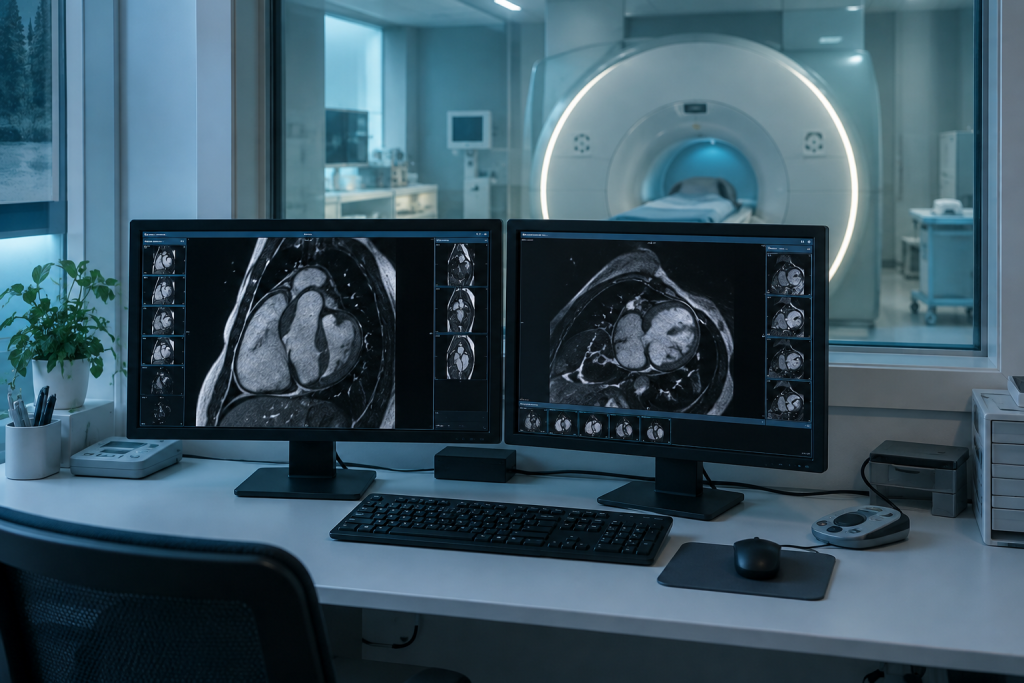
A cardiac MRI (Magnetic Resonance Imaging) scan is a non-invasive imaging technique used to create detailed pictures of the heart and its surrounding structures. Unlike X-rays or CT scans, cardiac MRI uses powerful magnets and radio waves to produce high-resolution images without exposing patients to ionising radiation. This makes it particularly useful for assessing heart conditions, evaluating blood flow, and visualising the heart’s anatomy and function.
How Long Does a Cardiac MRI Scan Take?
On average, a cardiac MRI scan typically takes between 30 to 90 minutes. However, this can vary based on several factors:
- Type of MRI: Different types of cardiac MRI scans, such as those focused on specific heart conditions or functional assessments, may require varying amounts of time.
- Patient Preparation: Patients may need to undergo certain preparatory steps, such as removing metal objects or changing into a hospital gown, which can add to the overall time.
- Additional Imaging: If additional imaging sequences are necessary or if contrast agents are used, the procedure may take longer.
- Individual Factors: Each patient’s unique medical condition and ability to remain still during the scan can also affect the duration.
Overall, while the actual scanning time may be relatively short, patients should expect to spend additional time in the facility for preparation and post-scan observations.
What Happens During a Cardiac MRI Scan?
Understanding the process of a cardiac MRI scan can help alleviate any concerns patients may have. Here’s what to expect during the procedure:
- Arrival and Preparation: Upon arrival at the imaging facility, patients will be greeted and asked to complete some paperwork. They will then be guided to a changing area where they can change into a hospital gown if necessary.
- Medical History Review: The healthcare team will review the patient’s medical history and discuss any concerns or questions regarding the scan.
- IV Line Insertion: If a contrast agent is required, a small intravenous (IV) line may be inserted into the patient’s arm.
- Positioning on the MRI Table: The patient will lie on an MRI table, which will be moved into the MRI machine. They will be provided with headphones or earplugs to block out the noise generated by the machine.
- Scan Procedure: The scan will begin, and patients will be asked to remain still while images are taken. The technician may instruct them to hold their breath at certain times to obtain clearer images.
- Completion: Once the scan is complete, the patient can change back into their clothing and wait for the results, which will usually be discussed in a follow-up appointment.
Why is a Cardiac MRI Scan Important?
A cardiac MRI scan is a valuable diagnostic tool for several reasons:
- Detailed Imaging: It provides high-quality images that can help identify structural abnormalities, ischaemic heart disease, and other cardiovascular conditions that may not be easily visible through other imaging techniques.
- Assessment of Cardiac Function: Cardiac MRI can evaluate how well the heart is pumping blood and assess the size and thickness of the heart chambers.
- Non-Invasive: As a non-invasive procedure, it poses minimal risk to patients and does not involve exposure to radiation.
- Guide Treatment Decisions: The detailed information gained from a cardiac MRI can help Cardiologists formulate effective treatment plans tailored to individual patient needs.
What to Expect After a Cardiac MRI Scan?
After the completion of a cardiac MRI scan, patients can typically resume normal activities immediately unless advised otherwise. If a contrast agent was used, some patients may be monitored for a brief period to ensure there are no adverse reactions. The results of the scan will be interpreted by a qualified Cardiologist, and a follow-up appointment will be scheduled to discuss findings and potential treatment options based on the results.
Are There Any Risks Associated with a Cardiac MRI Scan?
Cardiac MRI scans are generally considered safe, with very few risks involved. However, some considerations include:
- Contrast Reactions: Some patients may experience allergic reactions to the contrast agent used during the scan, though this is rare.
- Claustrophobia: As the MRI machine is enclosed, individuals with claustrophobia may find it uncomfortable. However, open MRI machines are available in some facilities.
- Metal Implants: Patients with certain metal implants, pacemakers, or other devices may not be eligible for an MRI due to the strong magnetic field.
It is essential to inform the medical team of any medical history or concerns prior to the scan to ensure patient safety.
Frequently Asked Questions
How long does a cardiac MRI scan take?
A cardiac MRI scan typically takes between 30 to 90 minutes, depending on the type of scan and individual patient factors.
Is a cardiac MRI scan painful?
No, a cardiac MRI scan is a non-invasive procedure and is generally painless. Patients may feel slight discomfort from lying still or from an IV if contrast is used.
Can I eat or drink before a cardiac MRI scan?
Patients are usually advised not to eat or drink for a few hours before the scan, especially if a contrast agent will be used. Always follow the specific instructions given by your healthcare provider.
What should I wear to a cardiac MRI scan?
Patients are typically asked to wear comfortable clothing and may need to change into a hospital gown for the procedure. It is important to avoid wearing metal accessories.
How soon will I get the results of my cardiac MRI scan?
Results from a cardiac MRI scan are usually interpreted by a Cardiologist and can be discussed in a follow-up appointment that may occur within a few days to a week.
In conclusion, understanding how long a cardiac MRI scan takes and the overall process can help alleviate concerns surrounding this important diagnostic tool. If you have further questions or wish to learn more about how cardiac MRI scans can assist in your cardiovascular health, consider reaching out to Dr Navin Chandra for a consultation. His expertise in the field ensures that patients receive comprehensive management of all adult cardiac conditions, from prevention to advanced intervention.
Have Questions About Your Heart Health?
Schedule a consultation with Dr Chandra to discuss personalized strategies for maintaining optimal cardiovascular health.