Percutaneous coronary intervention (PCI), commonly known as coronary angioplasty, is a minimally invasive procedure used to treat narrowed or blocked coronary arteries. Understanding who performs percutaneous coronary intervention is crucial for patients seeking this treatment option. In this article, we will explore the professionals involved in PCI, the procedure itself, and how patients can ensure they receive safe and effective care.
Dr Navin Chandra, a Consultant Interventional Cardiologist based in East Berkshire & South Buckinghamshire, specialises in various cardiac conditions, including coronary artery intervention. With extensive training and experience, Dr Chandra provides patients with comprehensive management options for their cardiovascular health, focusing on advanced interventions that prioritise patient safety and comfort.
What is Percutaneous Coronary Intervention (PCI)?
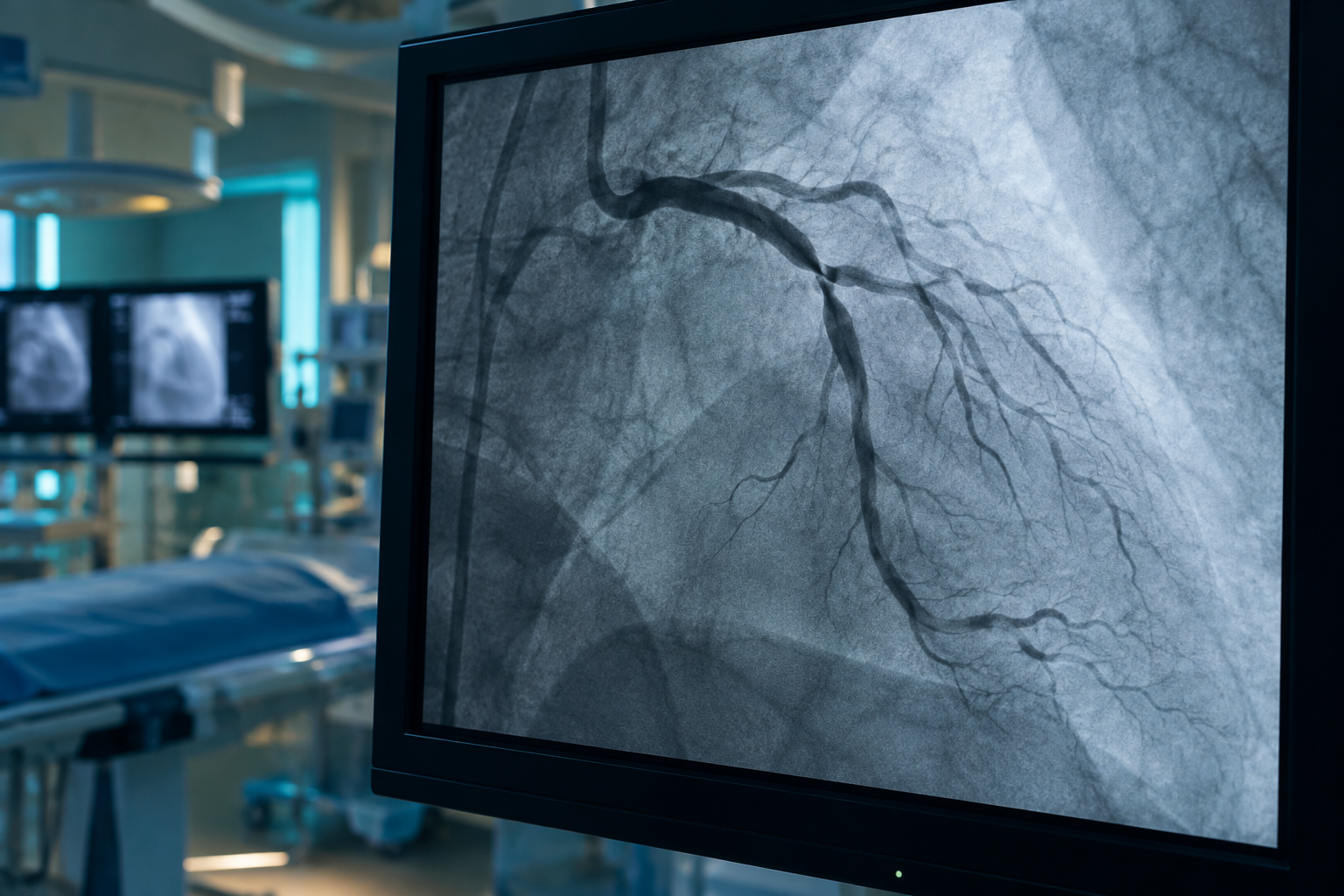
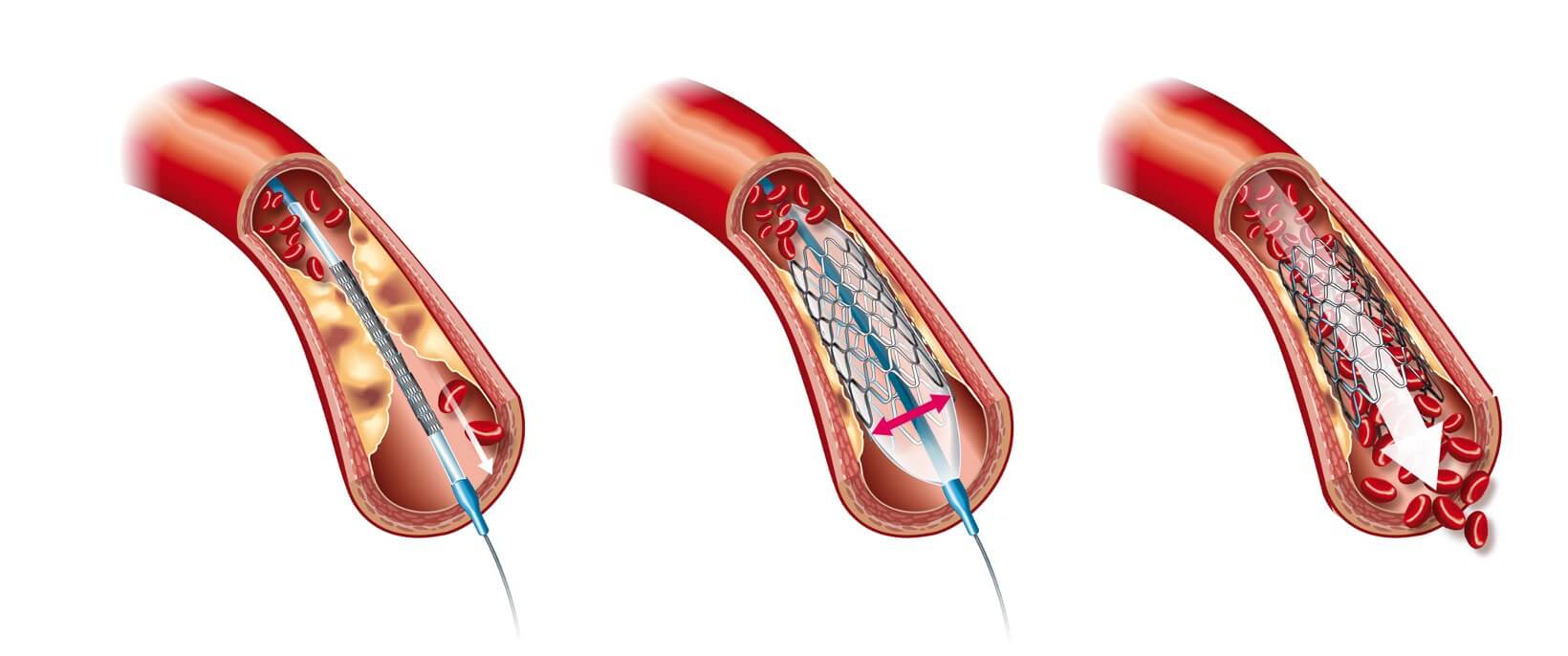
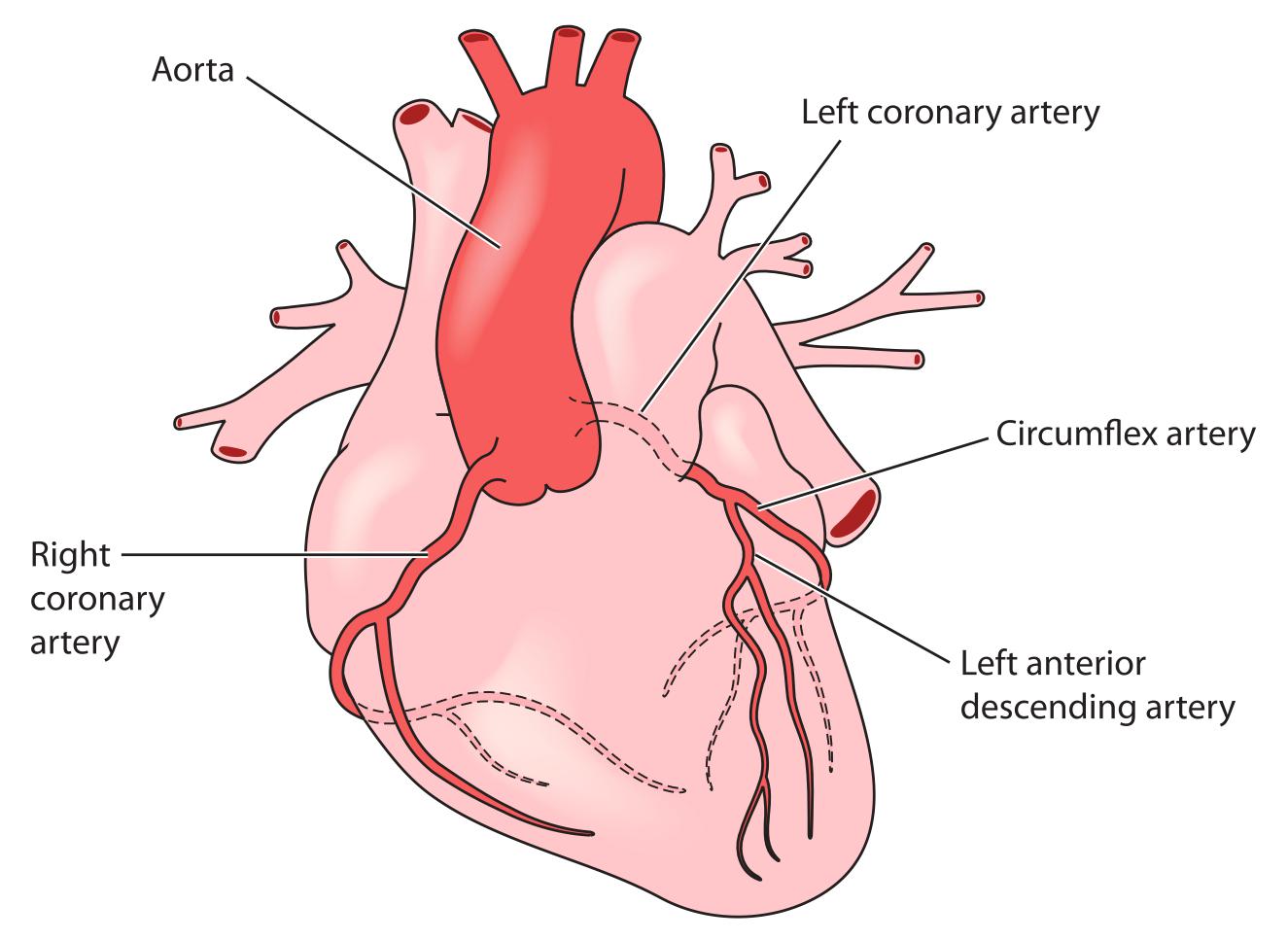
Percutaneous coronary intervention is a procedure designed to open blocked coronary arteries, improving blood flow to the heart. It often involves the use of a catheter, which is inserted through a small incision, typically in the wrist or groin. A coronary guide wire is passed into the coronary artery and a balloon is then inflated at the site of the blockage, and in many cases, a stent is placed to keep the artery open.
Why is PCI Performed?
PCI is primarily performed to alleviate symptoms of coronary artery disease (CAD), such as:
- Chest pain (angina)
- Shortness of breath
- Fatigue during physical activity
In some instances, it may also be performed as an emergency procedure during a heart attack to restore blood flow rapidly. According to the British Heart Foundation, 1 in 5 men and 1 in 8 women in the UK will develop coronary artery disease at some point in their lives, highlighting the prevalence of conditions that may necessitate PCI.
Who Performs Percutaneous Coronary Intervention?
Percutaneous coronary intervention is performed by highly trained specialists known as Interventional Cardiologists. These professionals undergo extensive education and training to ensure they possess the necessary skills for performing complex cardiac procedures.
What is an Interventional Cardiologist?
An Interventional Cardiologist is a medical doctor who specialises in diagnosing and treating cardiovascular diseases using catheter-based techniques. After completing a medical degree, these specialists undergo training in General Medicine, followed by specialty training in Cardiology followed by additional fellowship training and further sub-specialisation in Interventional Cardiology.
What Qualifications Should You Look For?
When seeking an Interventional Cardiologist for PCI, consider the following qualifications:
- MBBS or equivalent medical degree
- Completion of an accredited training in General Medicine
- Completion of accredited specialty training in Cardiology
- Additional sub-specialty training in Interventional Cardiology
- Membership in relevant professional societies, such as the British Cardiovascular Interventional Society (BCIS) and/or European Association of Percutaneous Cardiovascular Interventions (EAPCI)
Dr Navin Chandra, is an Interventional Cardiologist with credentials that include MBBS from Guy’s, King’s and St Thomas’ School of Medicine, MRCP (UK), and FRCP. He completed his Cardiology training the London Deanery and sub-specialty training in Interventional Cardiology at Harefield Hospital and Royal Brompton Hospital. He was subsequently awarded the BCIS International Fellowship in Vancouver Island, Canada. His extensive training has equipped him to handle complex cases with expertise in coronary artery intervention and structural heart disease.
What to Expect During the PCI Procedure?
The PCI procedure typically involves several key steps:
- Preparation: Patients will undergo a thorough assessment, including imaging studies and blood tests, to evaluate their heart health.
- Accessing the Artery: A catheter is inserted through a small incision, usually in the wrist or groin, and guided to the coronary arteries.
- Balloon Angioplasty: A coronary guide wire is passed into the coronary artery and a balloon is inflated at the site of the blockage to widen the artery.
- Stenting (if necessary): A stent may be placed to keep the artery open and maintain blood flow to the heart muscle.
- Recovery: Patients are monitored for a short period before being discharged, often on the same day.
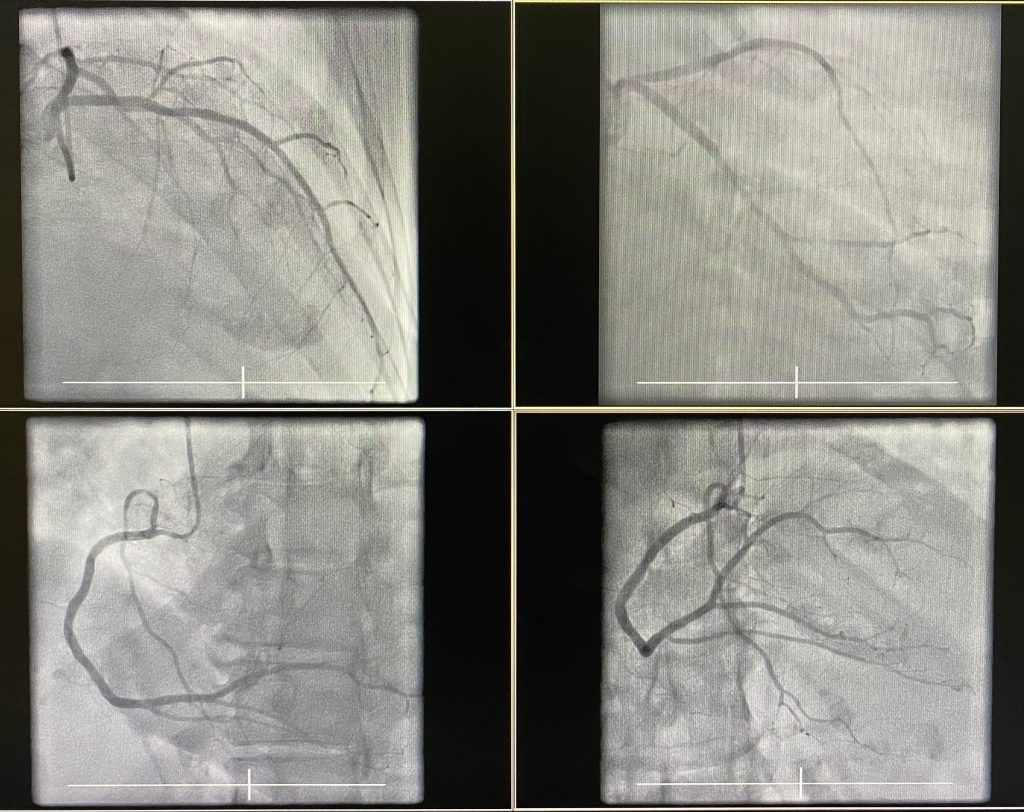
Throughout the procedure, the Interventional Cardiologist will use advanced imaging techniques to ensure precision and safety. These can include pressure-wire studies to accurately measure blood flow in the coronary artery and or coronary imaging techniques to look inside the artery such as intravascular ultrasound (IVUS) or optical coherence tomography (OCT).
What Are the Risks Associated with PCI?
While PCI is generally safe, like any medical procedure, it does carry some risks, including:
- Bleeding at the catheter insertion site
- Allergic reactions to contrast dye
- Blood clots
- Infection
- Damage to blood vessels or heart
Dr Chandra emphasises the importance of discussing potential risks and benefits of PCI with patients, ensuring they are informed and comfortable with their treatment options and participate in shared decision making. Overall, the complication rates for PCI are low, with severe complications occurring in less than 1% of cases.
How to Choose the Right Specialist for PCI?
Choosing the right Interventional Cardiologist is crucial for a successful PCI experience. Here are some tips:
- Check credentials and experience in performing PCI.
- Read patient reviews and testimonials.
- Schedule a consultation to discuss your concerns and treatment options.
Dr Navin Chandra’s extensive background as a Consultant Interventional Cardiologist at Frimley Health NHS Foundation Trust and his private practice in East Berkshire & South Buckinghamshire make him a trusted option for patients seeking PCI.
Frequently Asked Questions
Who performs percutaneous coronary intervention?
Percutaneous coronary intervention is performed by Interventional Cardiologists, who are specially trained to perform catheter-based procedures to treat coronary artery disease.
What conditions can PCI treat?
PCI is most commonly used to treat coronary artery disease, particularly blockages that cause chest pain, shortness of breath, or heart attacks.
Is PCI a safe procedure?
While PCI is generally considered safe, it carries some risks, including bleeding, infection, and adverse reactions to medications. Your Cardiologist will discuss these risks with you before the procedure.
How long does recovery take after PCI?
Many patients can return home the same day as the procedure. Full recovery may take a few days to weeks, depending on individual health and the complexity of the case.
What should I do before the PCI procedure?
Before undergoing PCI, patients should follow their Cardiologist’s instructions, which may include avoiding certain medications and fasting for a specified period before the procedure.
Can PCI be performed on high-risk patients?
Yes, PCI can be performed on high-risk patients. Interventional Cardiologists like Dr Navin Chandra are trained to manage complex cases using advanced techniques to minimise risks.
To find out whether percutaneous coronary intervention may be suitable for you, book a consultation with Dr Navin Chandra today. His expertise in advanced cardiovascular care ensures that you receive the highest standard of treatment tailored to your specific needs.
Have Questions About Your Heart Health?
Schedule a consultation with Dr Chandra to discuss personalized strategies for maintaining optimal cardiovascular health.