Understanding how does percutaneous coronary intervention works is essential for patients experiencing heart-related issues, particularly those with coronary artery disease. This minimally invasive procedure can significantly improve heart function and alleviate symptoms associated with blocked arteries. In this blog, Dr Navin Chandra, a Consultant Interventional Cardiologist, will guide you through the intricacies of this vital cardiac intervention, explaining its purpose, procedure, benefits, and what patients can expect during recovery.
What Is Percutaneous Coronary Intervention (PCI)?
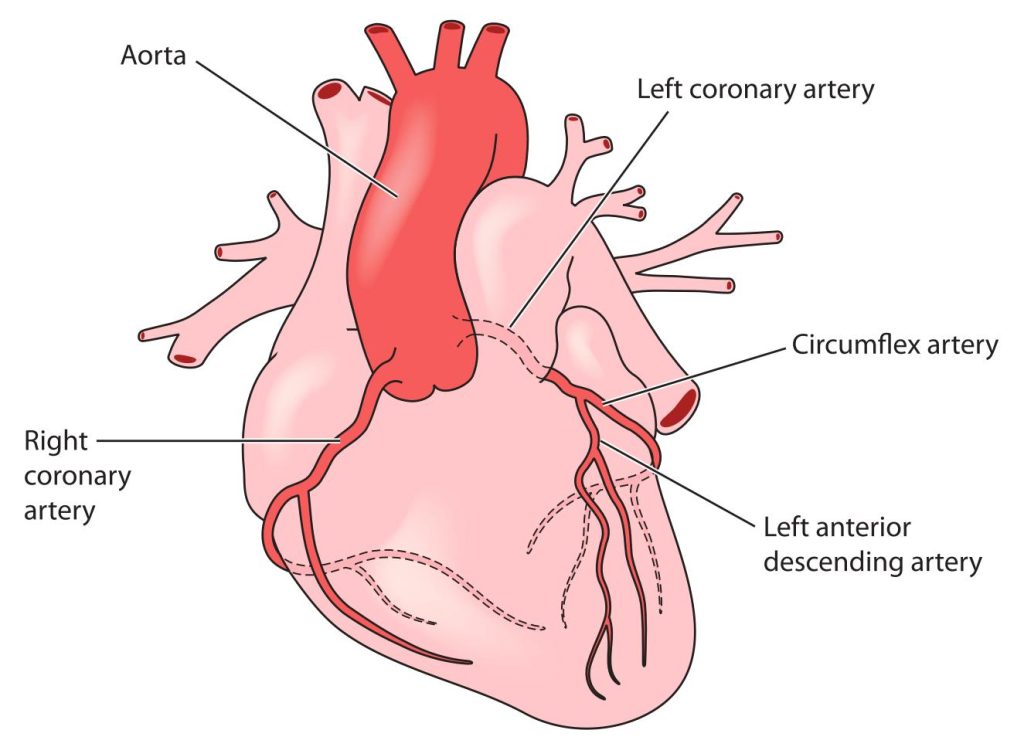
Percutaneous Coronary Intervention (PCI) is a non-surgical procedure used to treat narrowing or blockages in the coronary arteries, which supply blood to the heart muscle. The procedure is primarily performed to relieve symptoms of angina (chest pain) and prevent heart attacks.
Why Is Percutaneous Coronary Intervention Performed?
PCI is recommended when a patient has significant coronary artery disease, which can lead to reduced blood flow to the heart. The primary reasons for performing PCI include:
- Relieving angina symptoms that are not responsive to medication.
- Preventing a heart attack in patients with severe blockages.
- Improving heart function in patients with heart failure symptoms.
- Facilitating further treatment options, such as coronary artery bypass grafting (CABG).
How Does Percutaneous Coronary Intervention Work?
To answer the question of how does percutaneous coronary intervention work, let’s break down the procedure into several steps:
1. Preparation
Before the procedure, patients undergo a thorough evaluation, including blood tests, imaging studies, and discussions regarding their medical history and symptoms. Patients are usually advised to avoid eating or drinking for several hours prior to the intervention.
2. Anaesthesia
Patients receive local anaesthesia to numb the area where the catheter will be inserted. Sedatives may also be administered to help them relax during the procedure.
3. Catheter Insertion
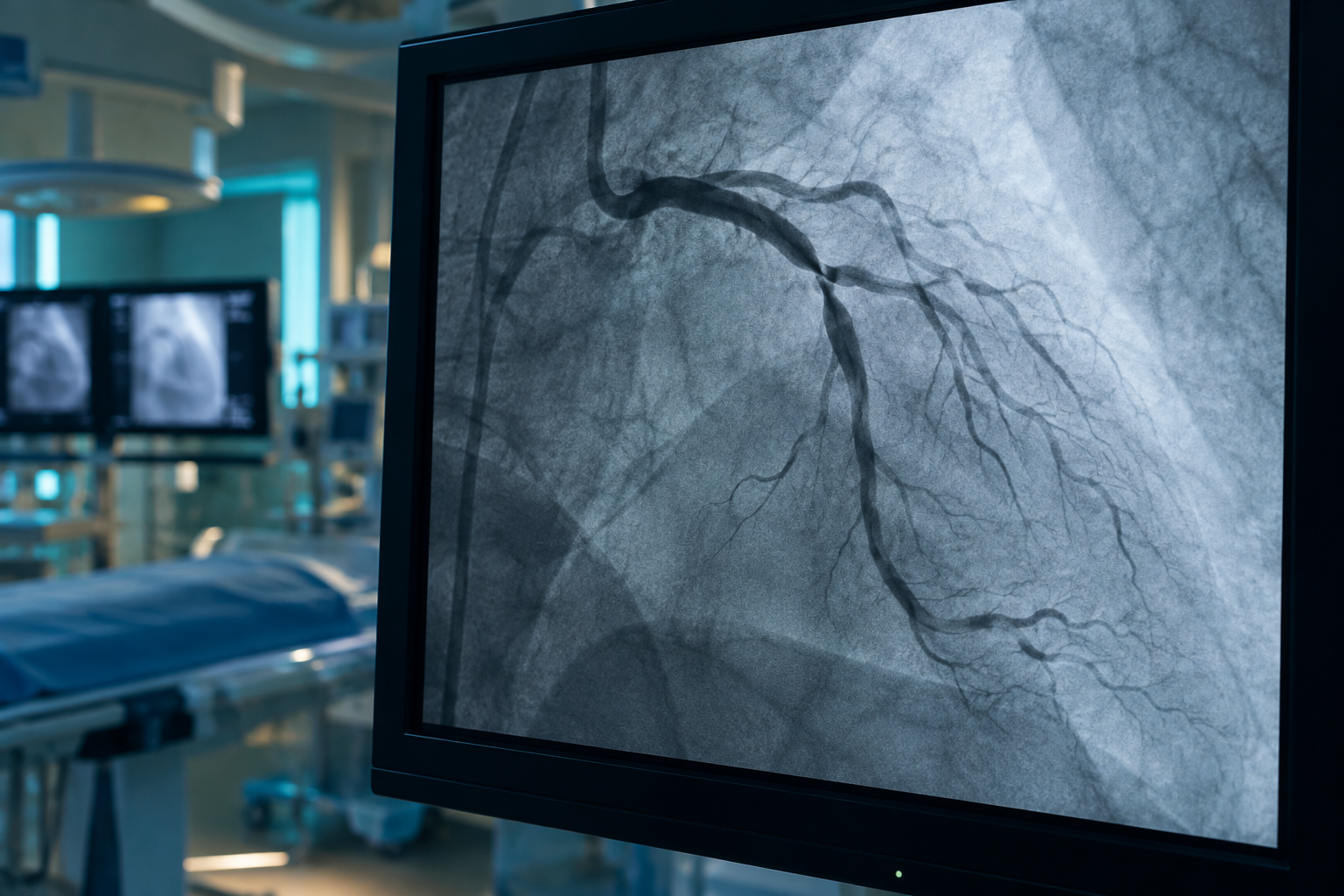
A thin, flexible tube (catheter) is inserted into a blood vessel, typically in the wrist or groin. Using fluoroscopy (live X-ray), the physician guides the catheter through the vascular system toward the heart and coronary arteries.
4. Angiography
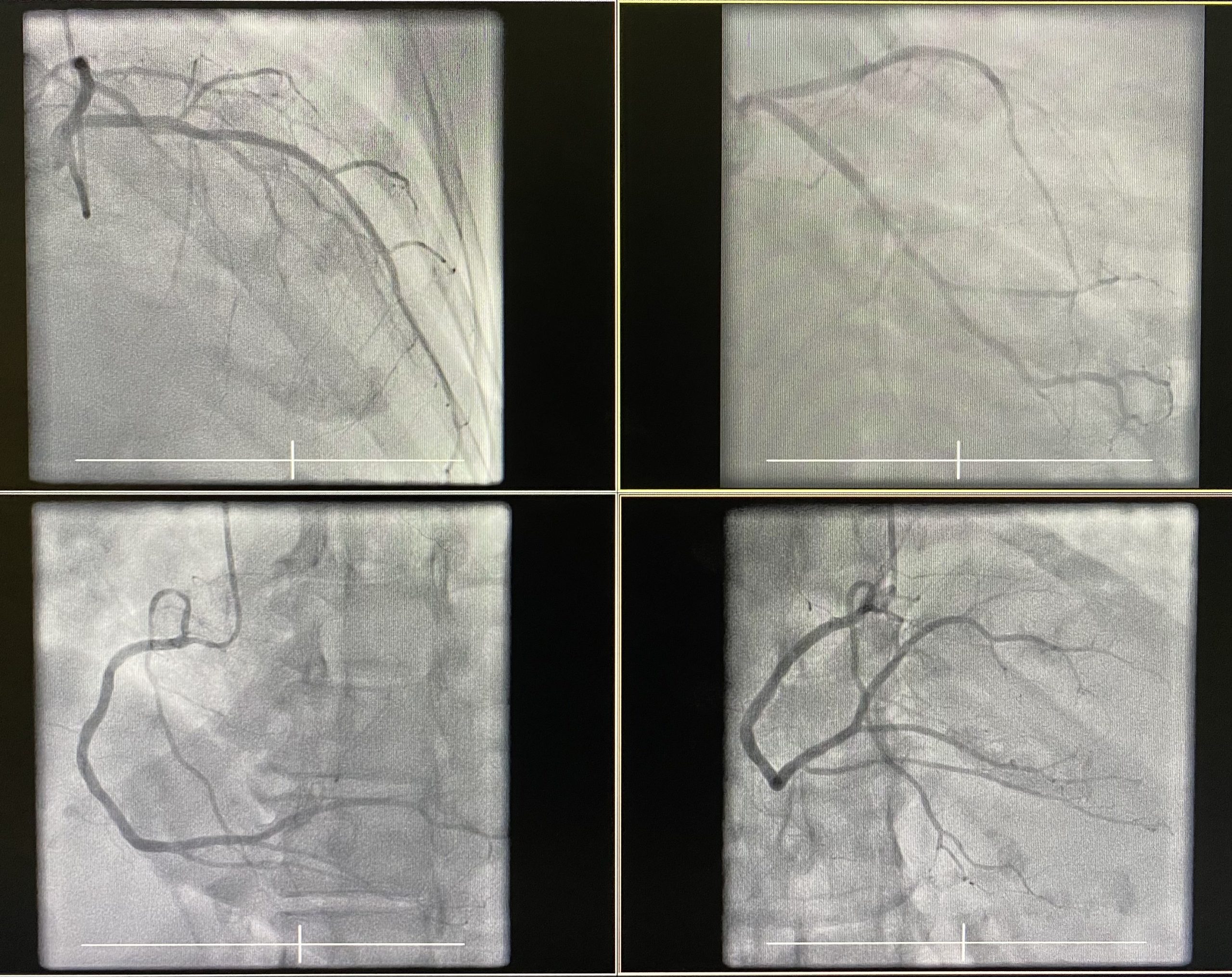
Once the catheter reaches the coronary arteries, a contrast dye is injected to make the arteries visible on the X-ray. This allows the Cardiologist to identify the location and severity of blockages.
5. Balloon Angioplasty
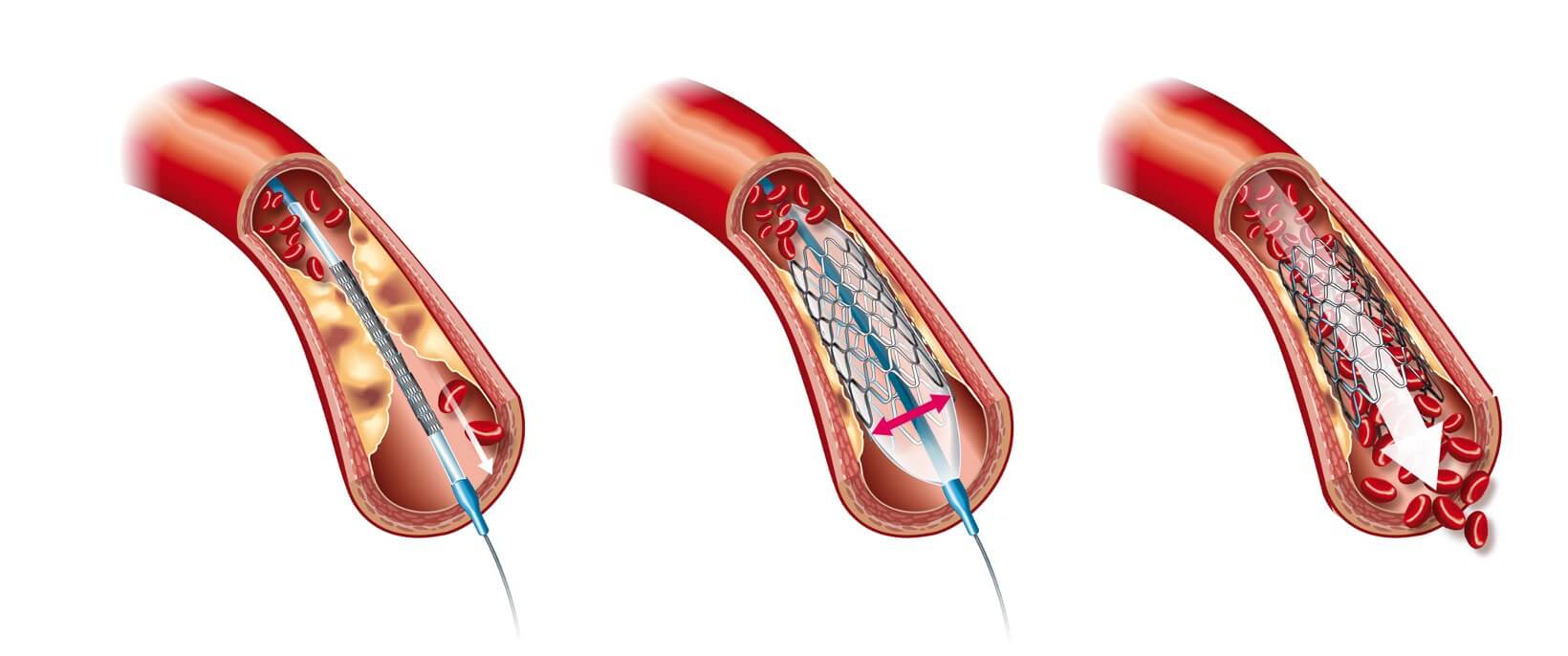
If a blockage is found, a coronary guide wire is passed into the artery and a small balloon attached to the catheter is inflated at the site of the blockage. This action compresses the plaque against the artery walls, widening the artery and improving blood flow.
6. Stenting
In most cases, a stent (a small metallic mesh tube) is placed at the site of the blockage to keep the artery open. The stent helps prevent future blockages and is often coated with medication to reduce the risk of re-narrowing.
7. Conclusion of the Procedure
Once the stenting is complete, the catheter is removed, and pressure is applied to the artery insertion site to prevent bleeding. Patients are monitored for a short period before being moved to a recovery area.
What Are the Benefits of Percutaneous Coronary Intervention?
Percutaneous Coronary Intervention offers several advantages over traditional open-heart surgery, including:
- Minimally Invasive: The procedure requires only small incisions, resulting in less pain and faster recovery.
- Shorter Hospital Stay: Most patients can go home the same day or after a short overnight stay.
- Reduced Recovery Time: Patients often return to normal activities within a week.
- Enhanced Quality of Life: Many experience significant relief from angina and improved heart function.
What Are the Risks Associated with Percutaneous Coronary Intervention?
While PCI is generally safe, like any medical procedure, it carries certain risks, including:
- Bleeding at the catheter insertion site.
- Infection.
- Allergic reactions to the contrast dye.
- Damage to the blood vessels or heart.
- Risk of re-narrowing of the artery.
What Can Patients Expect During Recovery?
Recovery from PCI typically involves a brief hospital stay, during which healthcare providers monitor the patient’s condition. Most individuals can resume normal activities within a few days, but it’s essential to follow the Cardiologist’s recommendations, which may include:
- Avoiding heavy lifting and strenuous exercise for a few weeks.
- Taking prescribed medications, such as antiplatelets, to prevent blood clots.
- Attending follow-up appointments to monitor heart health.
Frequently Asked Questions
How does percutaneous coronary intervention work?
Percutaneous coronary intervention works by using a catheter to access blocked coronary arteries, allowing for balloon angioplasty and stent placement to restore blood flow to the heart.
What are the symptoms that indicate I might need PCI?
Common symptoms include persistent chest pain (angina), shortness of breath, fatigue during exertion, and heart palpitations, particularly in those with diagnosed coronary artery disease.
How long does the PCI procedure take?
The PCI procedure typically lasts between 30 to 90 minutes, depending on the complexity of the case and the number of blockages being treated.
Will I need to stay in the hospital after PCI?
Most patients can go home the same day, but some may require an overnight stay for monitoring based on individual circumstances.
What is the recovery time after PCI?
Recovery time varies, but many patients can return to normal activities within a week, while full recovery may take several weeks depending on individual health factors.
Conclusion
Understanding how percutaneous coronary intervention works can empower patients to make informed decisions about their heart health. This procedure offers a safe and effective option for treating coronary artery disease, significantly improving quality of life for many. If you have further questions or wish to explore whether PCI might be suitable for you, please book a consultation with Dr Navin Chandra.
Have Questions About Your Heart Health?
Schedule a consultation with Dr Chandra to discuss personalized strategies for maintaining optimal cardiovascular health.