Many patients considering heart valve treatment often ask, “is transcatheter aortic valve implantation a surgery?” The answer to this question is nuanced, as it involves understanding both the procedure’s nature and its categorisation within medical practices. Transcatheter Aortic Valve Implantation (TAVI) is a minimally invasive procedure designed to replace a narrowed aortic valve that fails to open properly, known as aortic stenosis. Unlike traditional open-heart surgery, TAVI is typically performed through a catheter, which means it does not require a large incision in the chest.
Dr Navin Chandra, a Consultant Interventional Cardiologist based in East Berkshire & South Buckinghamshire, specialises in various cardiovascular interventions, including TAVI. His extensive training and experience in minimally invasive techniques allow him to provide comprehensive management of all adult cardiac conditions, focusing on reducing recovery times and improving patient outcomes.
What is Transcatheter Aortic Valve Implantation (TAVI)?
Transcatheter Aortic Valve Implantation is a technique used to treat patients with aortic stenosis who are considered high-risk for traditional open-heart surgery. The procedure involves the insertion of a replacement valve via a catheter, usually inserted into the femoral artery in the groin. This method allows for a valve replacement without the need for a surgical incision in the chest.
How Does TAVI Work?
TAVI works by delivering a new valve to the heart using a catheter. The steps involved typically include:
- Preparation: Patients undergo imaging tests to determine the best approach for the catheter insertion.
- Access: A small incision is made, usually in the groin, to access the femoral artery.
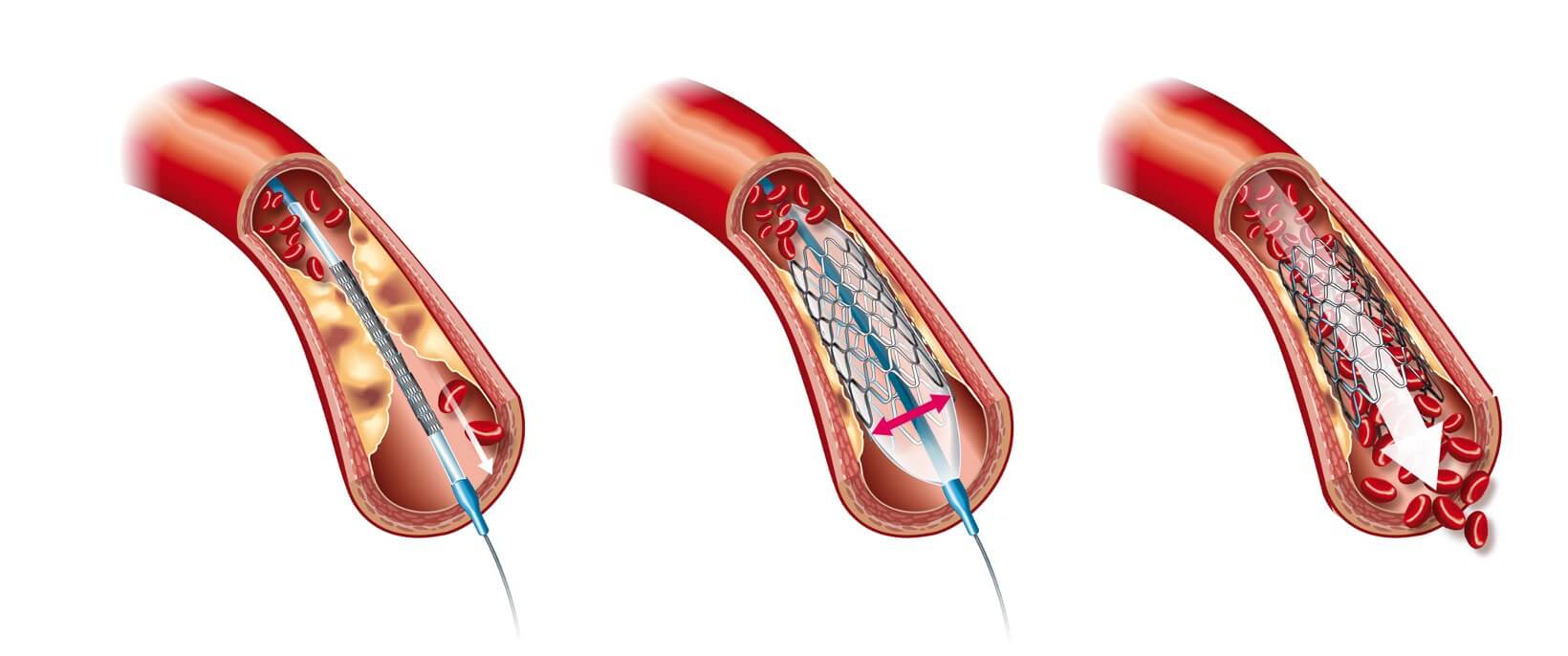
- Valve Deployment: The replacement valve is attached to a balloon catheter and guided to the heart. Once in position, the balloon is inflated to implant the new valve.
- Closing the Access Site: After the procedure, the catheter is removed, and the access site is closed.
Benefits of TAVI
TAVI offers several advantages compared to traditional surgery, particularly for patients with significant health risks:
- Minimally Invasive: Less trauma to the body and quicker recovery times.
- Shorter Hospital Stay: Many patients can leave the hospital within a few days; statistics show that about >80% of TAVI patients are discharged within 2-3 days of the procedure.
- Reduced Pain: Smaller incisions result in less post-operative pain.
- Lower Risk of Complications: Particularly beneficial for elderly patients or those with serious comorbidities.
Who is a Candidate for TAVI?
Not every patient with aortic stenosis is a suitable candidate for TAVI. The procedure is typically recommended for:
- Patients who are at high risk for open-heart surgery due to age or other medical conditions.
- Individuals with severe aortic stenosis symptoms, such as shortness of breath, chest pain, or fatigue.
- Patients who have a history of heart surgery or other heart conditions that complicate traditional procedures.
How Does TAVI Compare to Traditional Surgery?
Understanding the differences between TAVI and traditional surgical approaches is crucial for patients facing aortic stenosis treatment. Here’s how the two methods compare:
Invasiveness
TAVI is less invasive than traditional surgery, which typically involves a sternotomy (opening the chest). Patients undergoing TAVI face less physical trauma, leading to faster recovery.
Recovery Time
Patients who undergo TAVI typically experience shorter recovery times. While traditional surgery may require several weeks of recovery, many TAVI patients can resume normal activities within a few days to weeks.
Risks
While both procedures carry risks, the risks associated with TAVI are generally lower for high-risk patients. However, TAVI may involve specific risks, such as bleeding complications or valve misplacement or heart rhythm abnormalities.
What to Expect During the TAVI Procedure
Patients often wonder what to expect before, during, and after the TAVI procedure. Here is a brief overview:
Before the Procedure
Prior to TAVI, patients will undergo thorough evaluations, including imaging studies like echocardiograms or CT scans, to assess the heart’s condition and plan the procedure.
During the Procedure
The procedure itself usually lasts between one to two hours. Patients are given sedation and local anaesthesia, allowing them to be comfortable while remaining awake.
After the Procedure
Post-procedure, patients are monitored closely for any complications. Most individuals can expect to stay in the hospital for 1-3 days, depending on their overall health and recovery.
Potential Risks and Complications of TAVI
While TAVI is generally safe, patients should be aware of potential risks, which may include:
- Vascular complications, such as bleeding or clotting at the access site.
- Infection risks at the catheter site.
- Possible need for a pacemaker if the heart’s electrical system is affected.
- Rarely, complications may occur related to the new valve, such as leakage.
What Happens After TAVI?
After undergoing TAVI, patients will need regular follow-up appointments to monitor their heart health and ensure the new valve is functioning correctly. Lifestyle changes, including diet and exercise, may also be recommended to support heart health.
Frequently Asked Questions
Is Transcatheter Aortic Valve Implantation a Surgery?
While TAVI is often referred to as a procedure rather than surgery, it is an intervention that replaces the aortic valve via a catheter, making it less invasive than traditional open-heart surgery.
What are the main benefits of TAVI compared to traditional surgery?
TAVI offers several benefits in the right patient, including shorter recovery times, less pain, and a lower risk of complications, particularly for high-risk patients who may not tolerate traditional surgery well.
How long does the TAVI procedure take?
The TAVI procedure typically lasts between one to two hours, depending on the patient’s specific circumstances and the complexity of the case.
What are the risks associated with TAVI?
Potential risks include vascular complications, infection, and the possibility of needing a pacemaker post-procedure. However, these risks are generally lower than those associated with traditional open-heart surgery.
How quickly can I return to normal activities after TAVI?
Most patients can resume normal activities within a few days to weeks after TAVI, although this can vary based on individual health factors and the complexity of the procedure.
Can everyone undergo TAVI?
TAVI is primarily recommended for patients who are at high risk for traditional surgery due to age or other medical conditions. A thorough evaluation by a Cardiologist is necessary to determine candidacy.
In conclusion, understanding whether transcatheter aortic valve implantation involves recognising its place in modern cardiac care. TAVI represents a significant advancement in treating aortic stenosis, particularly for patients who may not be suitable candidates for traditional surgery. For those considering their options, consulting with a specialist is crucial. To find out whether TAVI may be suitable for your condition, book a consultation with Dr Navin Chandra today. For more information on heart health and treatment options, visit our page on cardiac treatments.
Have Questions About Your Heart Health?
Schedule a consultation with Dr Chandra to discuss personalized strategies for maintaining optimal cardiovascular health.