If you are wondering when you should get checked for heart disease, the general answer is this: from around the age of 40, most adults benefit from a routine cardiovascular risk assessment, and sooner if you have a family history of heart problems, symptoms such as chest pain or breathlessness, or risk factors like high blood pressure, raised cholesterol, diabetes or smoking.
Deciding when to get checked for heart disease is not about age alone, it is about the combination of your age, your family background, your lifestyle and whether your body is giving you warning signs. Dr Navin Chandra, Consultant Interventional Cardiologist, helps patients weigh up these factors so that testing is proportionate, useful and clearly explained.
Dr Navin Chandra is a Consultant Interventional Cardiologist at Frimley Health NHS Foundation Trust and Honorary Consultant Cardiologist at Royal Brompton & Harefield NHS Foundation Trust, with sub-specialist expertise in coronary intervention, structural heart disease, sports cardiology and inherited cardiac conditions. He sees patients from East Berkshire & South Buckinghamshire for heart screening, cardiac imaging and the assessment of symptoms such as chest pain, palpitations and shortness of breath, across both NHS and private practice.
When Should I Get Checked for Heart Disease? The Short Answer
Coronary artery disease often develops quietly over many years before it causes symptoms, which is why timing matters. As a practical guide, consider a heart check in the following situations:
- You are aged 40 or over and have never had your cardiovascular risk assessed.
- A parent, brother or sister developed heart disease early (typically under 60 in men or under 65 in women).
- There is a known inherited cardiac condition or an unexplained sudden death in your family.
- You have high blood pressure, raised cholesterol, type 2 diabetes, chronic kidney disease or a high body weight.
- You smoke or vape, drink above recommended limits, or are largely inactive.
- You are starting intensive exercise or competitive sport after years of inactivity.
- You have new or changing symptoms, including chest discomfort, unusual breathlessness, palpitations, dizziness or blackouts.
If you have no symptoms and no risk factors, screening is usually about prevention and reassurance rather than urgency. If you do have symptoms, the question changes from “when should I get checked for heart disease?” to “how soon can I be seen?”
Who Should Get Checked for Heart Disease, and at What Age?
There is no single age that applies to everyone, but there are well-recognised starting points used across UK practice. The aim is to identify risk early enough to change the outcome, because much cardiovascular disease is preventable or modifiable.
Adults Aged 40 to 74
In England, the NHS Health Check is offered to adults aged 40 to 74 who do not already have a diagnosed cardiovascular condition, and is usually repeated every five years. It typically includes blood pressure, cholesterol, blood sugar, weight and lifestyle assessment, and it generates an estimate of your risk of having a heart attack or stroke within the next ten years. NICE guidance supports using a validated risk calculator to guide decisions about blood pressure treatment, cholesterol-lowering medication and lifestyle support.
When Should I Get Checked for Heart Disease if It Runs in My Family?
Family history is one of the strongest reasons to be assessed earlier than the standard age threshold. If a close relative had a heart attack, coronary stenting or bypass surgery at a young age, an assessment in your thirties is often sensible. Inherited conditions such as familial hypercholesterolaemia, cardiomyopathies and inherited arrhythmia syndromes can run through generations, and the British Heart Foundation highlights that relatives of affected people may benefit from specialist evaluation and, in some cases, genetic testing. A Cardiologist will take a detailed three-generation family history before advising which tests may be appropriate.
When Should I Get Checked for Heart Disease as an Athlete?
Sudden cardiac events in young, apparently fit people are rare but devastating, and they are usually caused by structural or electrical heart conditions rather than blocked arteries. Sports Cardiology assessment may be considered for competitive athletes, for people with a family history of sudden death, and for anyone who experiences chest pain, palpitations, unusual breathlessness or fainting during exercise. Fainting during exertion, rather than afterwards, always deserves prompt review. For older recreational athletes taking up endurance events, the focus shifts towards coronary artery disease and blood pressure control.
What Symptoms Mean You Should Get Checked Sooner?
Symptoms change the timescale. Some patterns need same-day assessment, others need a planned outpatient appointment within weeks. The following symptoms should prompt medical review rather than watchful waiting:
- Chest tightness, heaviness or pressure, particularly when brought on by exertion and relieved by rest.
- Breathlessness that is new, progressive, or out of proportion to your usual fitness.
- Palpitations that are fast, irregular, prolonged, or associated with light-headedness.
- Fainting or near-fainting, especially during physical activity.
- Swelling of the ankles, waking at night breathless, or needing extra pillows to sleep.
- Reduced exercise tolerance without an obvious explanation.
Chest pain that is severe, lasts more than a few minutes, spreads to the arm, neck or jaw, or comes with sweating, nausea or breathlessness should be treated as an emergency. In the UK, call 999 immediately rather than waiting for a routine appointment.
What Happens During a Heart Health Assessment?
A Cardiology assessment is usually staged, starting with the simplest tests and adding more detailed investigations only where they will genuinely influence decisions. Tests are chosen based on your symptoms, risk profile and what needs to be ruled in or out.
Tests That May Be Recommended
- Consultation and examination: a detailed history of symptoms, lifestyle, medication and family history, plus blood pressure, pulse and heart sounds.
- Blood tests: cholesterol profile, blood sugar or HbA1c, kidney and thyroid function, and sometimes lipoprotein(a) where inherited risk is suspected.
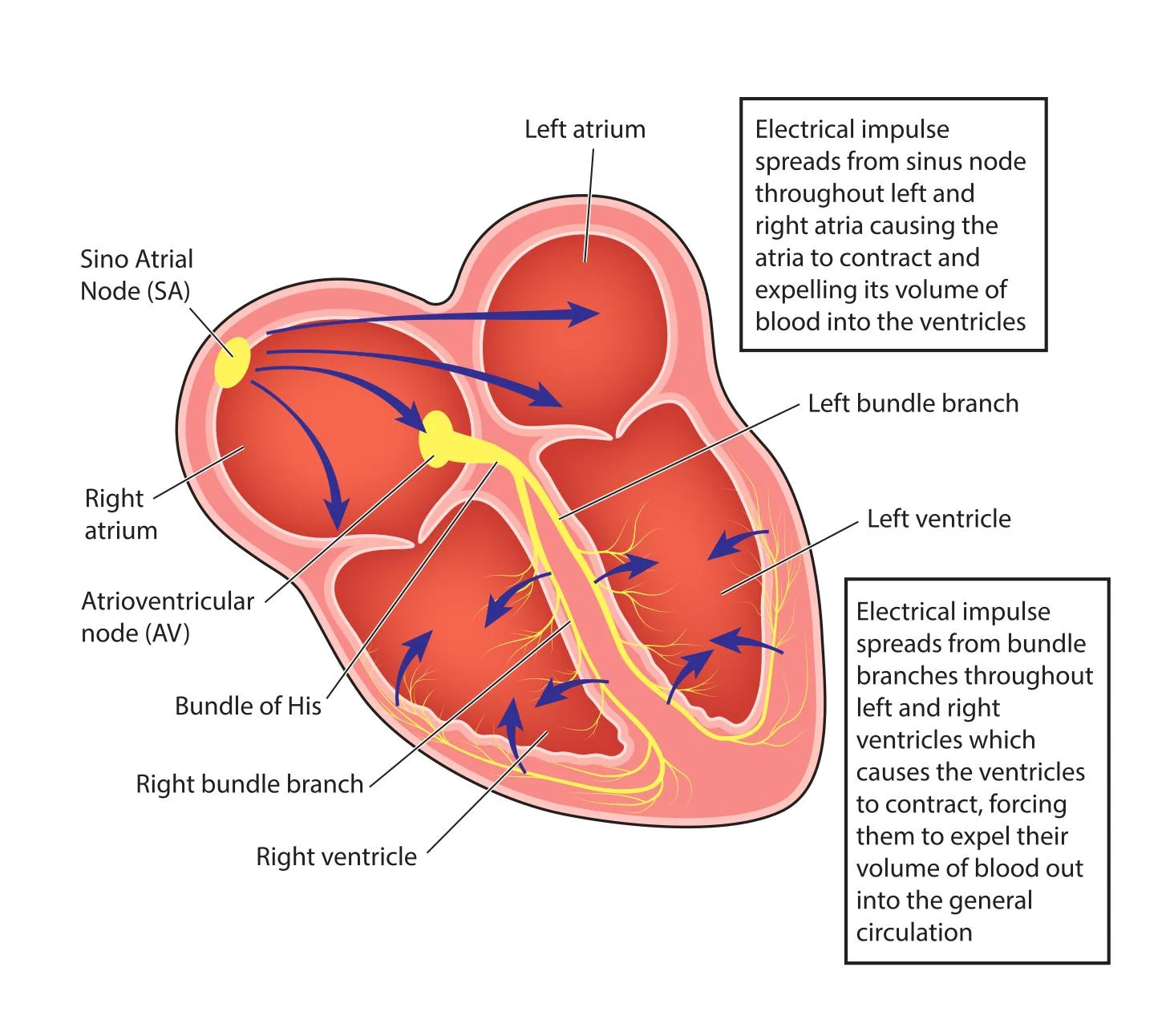
- ECG: a quick recording of the heart’s electrical activity, useful for rhythm disturbances, previous damage and some inherited conditions.
- Echocardiography: an ultrasound scan showing heart muscle function, valve disease such as aortic stenosis, and chamber sizes.
- Exercise or ambulatory monitoring: assessing symptoms during activity, or recording the heart rhythm over hours or days.
- CT coronary angiography: a detailed scan of the coronary arteries, often used as a first-line test when stable chest pain needs investigation.
- Invasive coronary angiography: reserved for cases where detailed assessment or treatment such as percutaneous coronary intervention (PCI) and stenting may be required.
Not everyone needs every test. Over-investigation can cause unnecessary anxiety, so your clinician will discuss the value and limitations of each option with you before proceeding.
How Often Should Heart Checks Be Repeated?
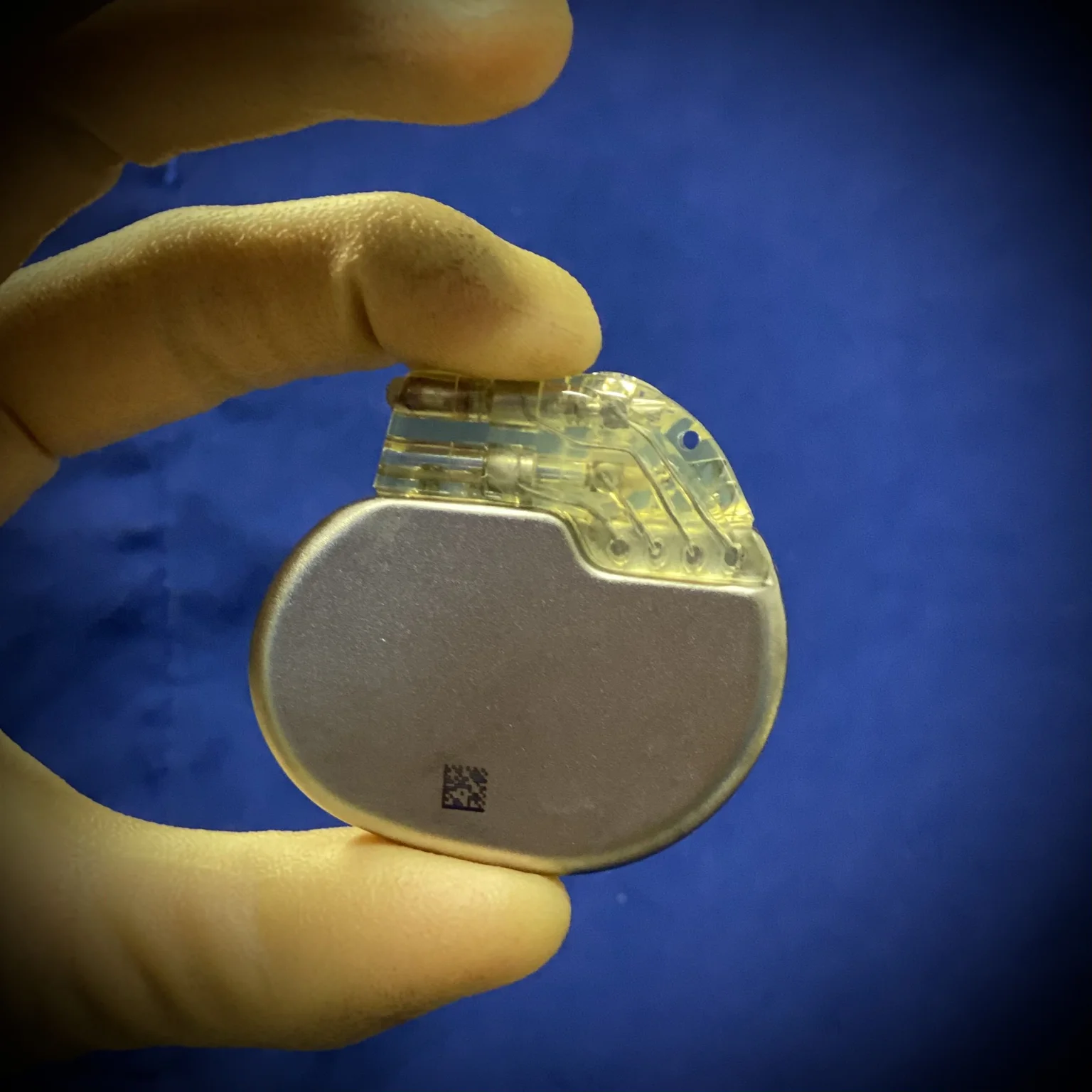
For adults at low risk with normal results, repeating a full assessment every five years is often reasonable, in line with the interval used for NHS Health Checks. If you have raised blood pressure, high cholesterol, diabetes or a strong family history, annual or biennial review is more usual. Patients with established coronary disease, valve problems, a pacemaker or heart failure are normally followed up on an individualised schedule agreed with their Cardiologist.
Can Heart Disease Be Prevented While You Wait?
Prevention does not need to wait for test results. Most of the modifiable risk sits in everyday habits, and improvements are worthwhile at any age.
- Stopping smoking, which offers one of the fastest reductions in cardiovascular risk.
- Aiming for regular physical activity across the week, building up gradually.
- Eating a Mediterranean-style diet rich in vegetables, pulses, oily fish and unsaturated fats, with less salt and ultra-processed food.
- Keeping alcohol within UK low-risk guidelines.
- Managing blood pressure, cholesterol and blood sugar with support from your GP or Cardiologist.
- Protecting sleep and addressing untreated snoring or sleep apnoea.
- Managing long-term stress, which can influence blood pressure and health behaviours.
Where Can You Get Checked for Heart Disease in East Berks & South Bucks?
Many patients start with their GP, who can arrange baseline tests and refer on if needed. Specialist Cardiology assessment, including heart screening, echocardiography and CT coronary angiography, is available locally through both NHS and private pathways for patients in East Berkshire & South Buckinghamshire. A specialist consultation is particularly useful when symptoms are unexplained, when family history is complex, when sports participation is a factor, or when previous tests have given borderline results.
Frequently Asked Questions
When should I get checked for heart disease if I have no symptoms?
If you have no symptoms, a first cardiovascular risk assessment from around age 40 is generally appropriate, repeated roughly every five years. Earlier assessment, often in your thirties, may be advisable if you have a strong family history of early heart disease or a known inherited cardiac condition.
Is a heart check painful or invasive?
Most initial tests are painless and non-invasive, including blood pressure measurement, an ECG and an echocardiogram. Blood tests involve a brief needle prick. Invasive tests such as coronary angiography are only recommended when more detailed information or treatment is likely to be needed, and are discussed fully beforehand.
Can I have heart disease with normal cholesterol?
Yes. Cholesterol is one of several risk factors, and coronary artery disease can develop in people with normal levels, particularly where smoking, high blood pressure, diabetes, inflammation or genetic factors play a role. This is why assessment considers your overall risk profile rather than a single blood result.
Does a clear ECG mean my heart is healthy?
Not necessarily. A resting ECG can appear normal in people with significant coronary narrowing, and abnormalities may only appear during exertion or intermittently. Your clinician will interpret an ECG alongside your symptoms, examination and, where indicated, imaging or monitoring tests.
How long does a private Cardiology consultation take?
An initial consultation usually lasts around 30 minutes, allowing time for a detailed history, examination and discussion of findings. Some tests, such as an ECG or echocardiogram, can often be arranged at the same visit, with results and next steps explained clearly.
Should my children be checked if I have an inherited heart condition?
Family screening may be recommended for first-degree relatives when an inherited cardiac condition is confirmed or strongly suspected. The timing and type of testing depend on the specific condition and the child’s age, and are always planned with specialist input and genetic counselling where appropriate.
Knowing when to get checked for heart disease is one of the most useful pieces of health information you can act on, because early assessment allows risk to be managed long before symptoms or complications appear. Age, family history, lifestyle and symptoms all shape the right timing for you, and a clear explanation of what each test can and cannot tell you makes the decision far easier. To discuss whether a heart health assessment may be suitable for you, or to arrange specialist review of symptoms such as chest pain, breathlessness or palpitations, book a consultation with Dr Navin Chandra, Consultant Cardiologist.
Have Questions About Your Heart Health?
Schedule a consultation with Dr Chandra to discuss personalized strategies for maintaining optimal cardiovascular health.