When to do percutaneous coronary intervention (PCI) is a crucial question for patients experiencing heart-related symptoms or diagnosed with coronary artery disease (CAD). This minimally invasive procedure can relieve symptoms, improve heart function, and reduce the risk of heart attacks. Understanding the indications for PCI is essential for patients and their families to make informed decisions about their cardiovascular health.
Dr Navin Chandra is a Consultant Interventional Cardiologist based in East Berkshire & South Buckinghamshire, specialising in coronary artery intervention, sports cardiology, and inherited cardiac conditions. With extensive training and a commitment to advanced, patient-centred care, he offers comprehensive management of adult cardiac conditions through both private and NHS services.
What is Percutaneous Coronary Intervention?
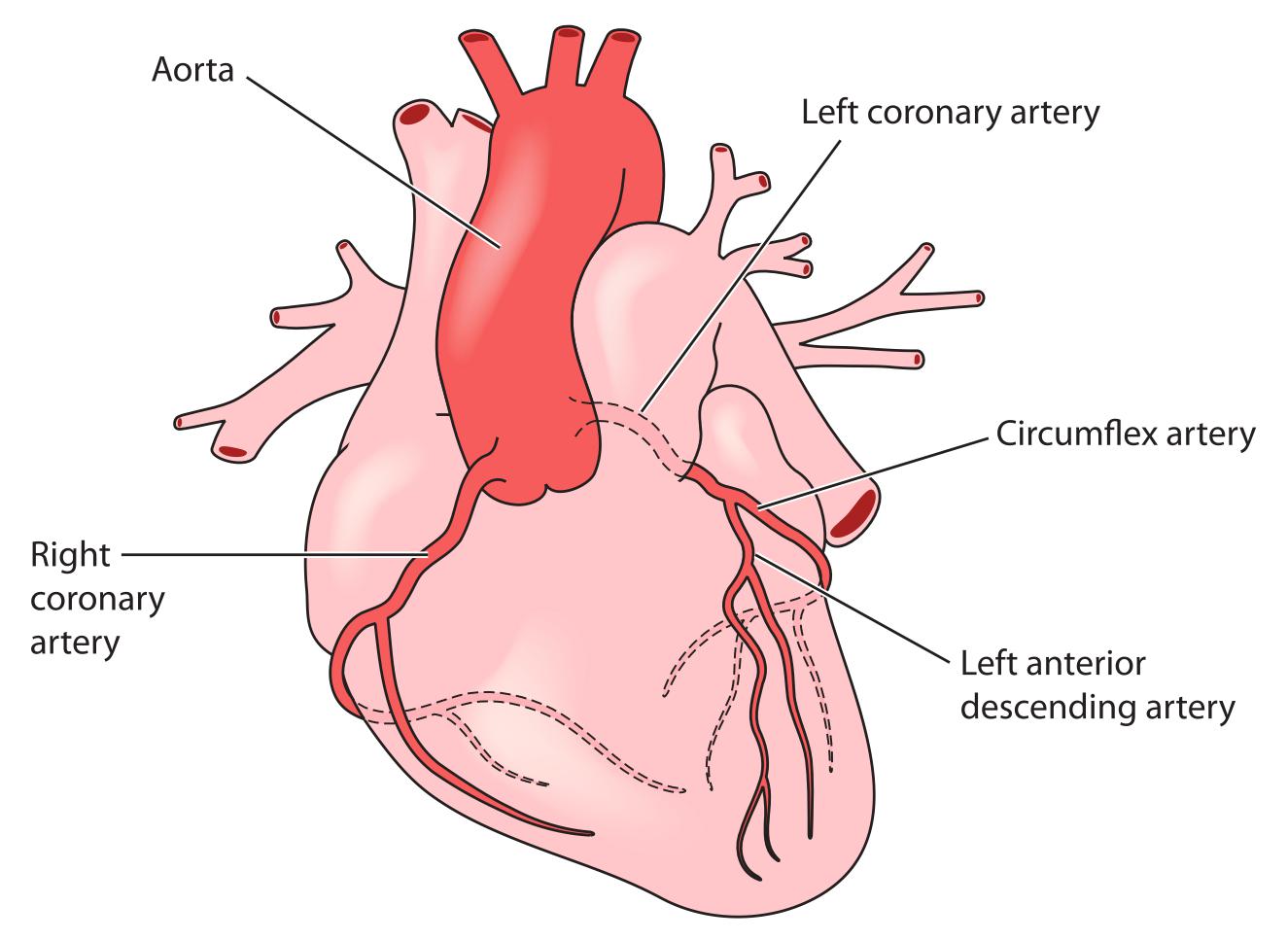
Percutaneous coronary intervention, commonly referred to as PCI, involves using a catheter to open blocked or narrowed coronary arteries. This procedure is often used in patients with coronary artery disease where the arteries supplying blood to the heart become obstructed, leading to symptoms such as chest pain (angina) or shortness of breath. According to recent statistics from the British Heart Foundation, around 2.5 million people are living with diagnosed coronary artery disease in the UK, highlighting the importance of interventions like PCI.
How Does PCI Work?
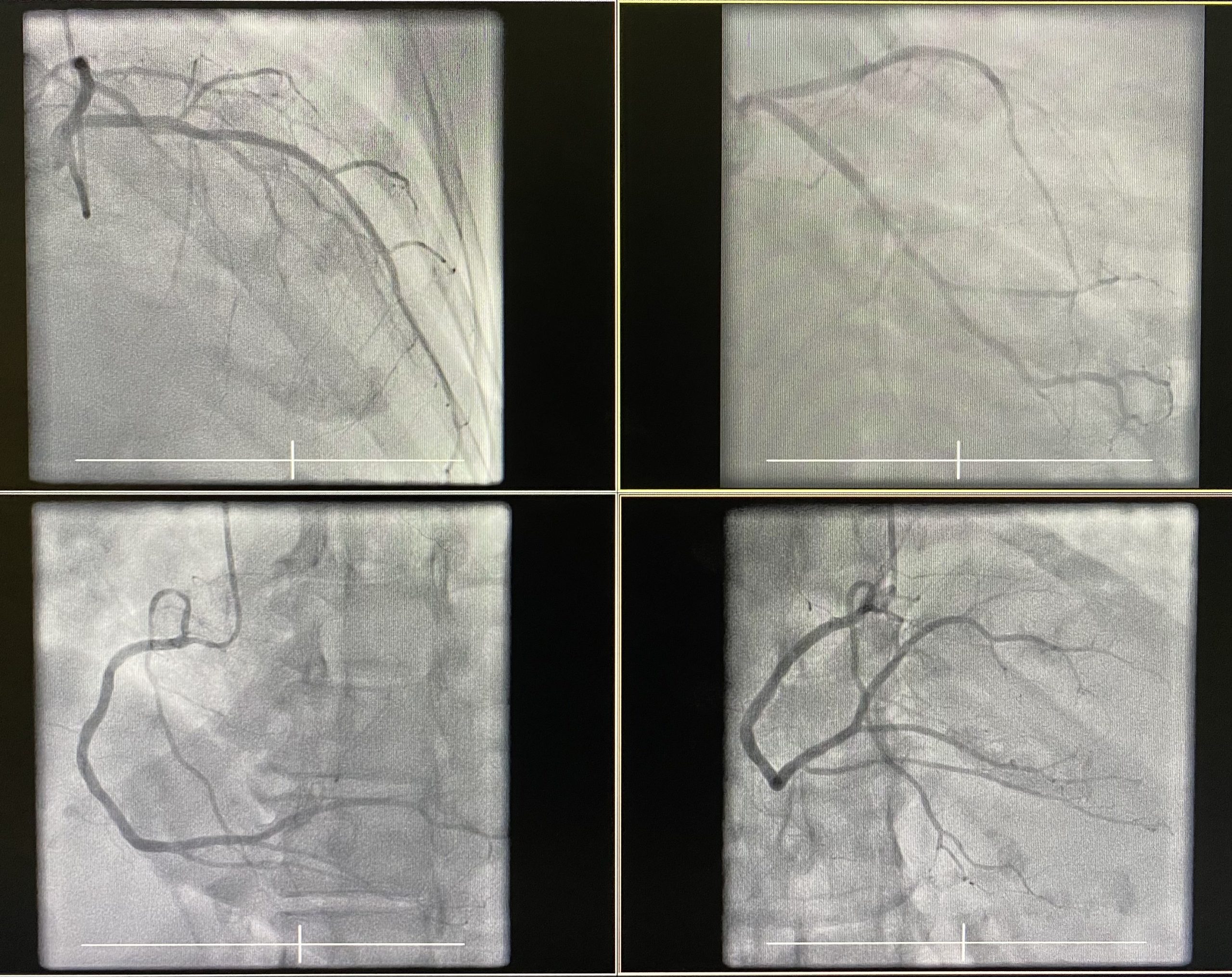
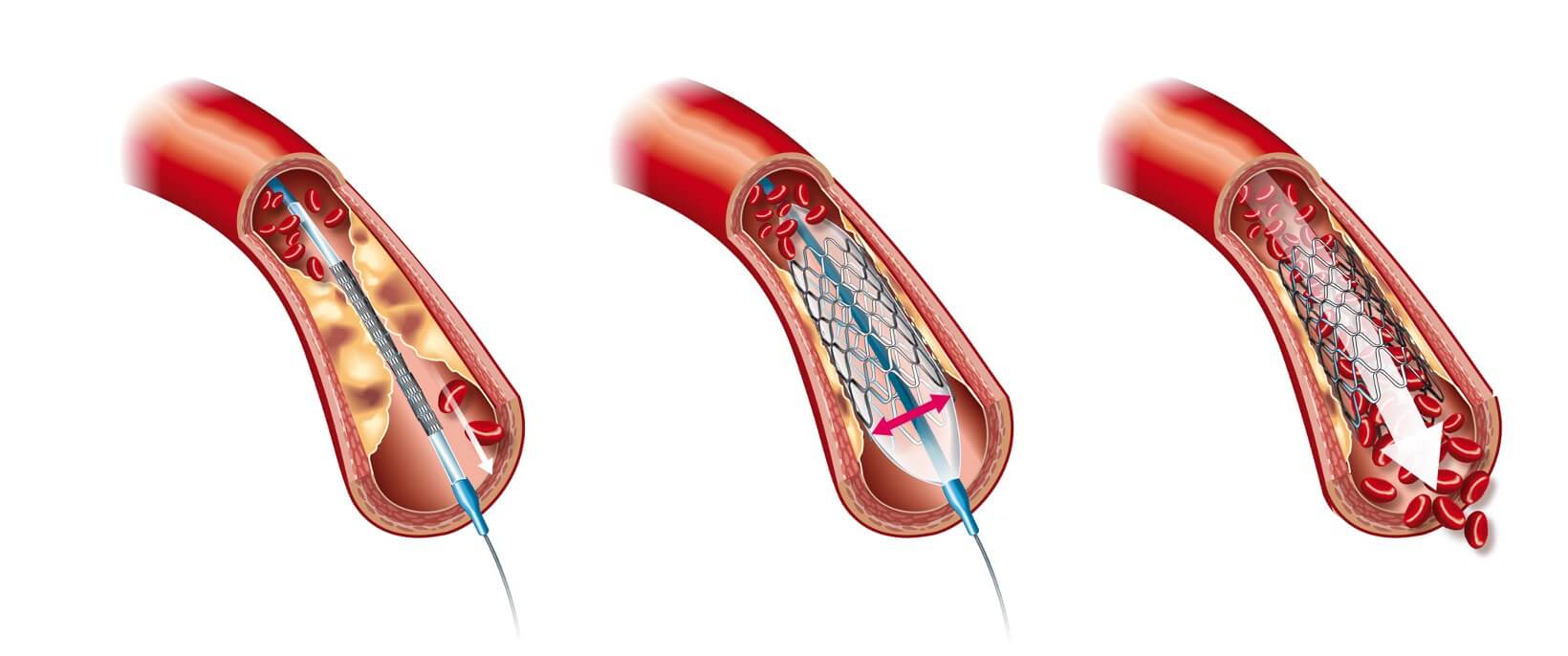
During PCI, a thin tube (catheter) is inserted into a blood vessel, usually in the groin or wrist, and guided to the heart. A contrast dye is injected to visualise the arteries through X-ray imaging. If a blockage is found, the Cardiologist will pass a guide wire into the blocked artery and use that deliver a small balloon at the blockage site to widen the artery. A stent is often then deployed at this site to keep the coronary artery open and restore blood flow. It is estimated that about 90% of patients experience relief from their symptoms following a successful PCI, making it a highly effective procedure in the right patient.
What Are the Benefits of PCI?
- Minimally invasive with shorter recovery times compared to traditional surgery.
- Quick relief of symptoms such as chest pain and shortness of breath.
- Reduced risk of heart attacks and other serious complications.
- Improved quality of life and physical activity levels.
When is PCI Recommended?
Determining when to do percutaneous coronary intervention depends on several factors, including the severity of the coronary artery blockage, the symptoms presented, and the overall health of the patient. Below are common scenarios where PCI may be recommended:
1. Severe Angina Symptoms
Patients experiencing severe, persistent angina that does not respond to medication may be candidates for PCI. This procedure can significantly alleviate symptoms and improve daily functioning.
2. Acute Coronary Syndrome
In cases of acute coronary syndrome (ACS), such as a heart attack, PCI is often performed urgently to restore blood flow to the heart. Quick intervention can save heart muscle and improve survival chances.
3. Failed Medical Therapy
If patients do not achieve adequate symptom relief from medication and lifestyle changes, PCI may be considered. This is especially true for those who continue to experience limiting symptoms affecting their quality of life.
4. High-Risk Patients
Patients with complex coronary artery disease, such as those with multiple blockages or left main coronary artery disease or calcified arteries may benefit from PCI to reduce the risk of future cardiovascular events. Dr Navin Chandra is experienced in treating complex and high-risk patients. Such cases are presented in a ‘Heart Team’ multidisciplinary meeting prior to planning and executing appropriate interventions utilising advanced imaging techniques to achieve successful outcomes.
What Are the Risks Associated with PCI?
While PCI is generally safe, like any medical procedure, it carries certain risks. Understanding these can help patients make informed decisions:
- Bleeding at the catheter insertion site.
- Allergic reactions to contrast dye.
- Damage to blood vessels or heart tissue.
- Restenosis, or re-narrowing of the artery.
- Heart attack or stroke in rare cases.
Preparing for Percutaneous Coronary Intervention
Before undergoing PCI, patients will have a thorough consultation with their Cardiologist. This typically includes:
- A detailed medical history and physical examination.
- Diagnostic tests such as an ECG, echocardiogram and stress tests to assess heart function.
- Discussion of potential risks and benefits of the procedure.
What to Expect During Recovery
Recovery from PCI is usually swift. Most patients can go home the same day or the next, depending on their specific situation. Initial recovery involves:
- Monitoring in a recovery area for a few hours post-procedure.
- Gradual resumption of normal activities, often within a few days.
- Follow-up appointments to monitor heart health and ensure proper healing.
Long-Term Management After PCI
After PCI, patients are typically advised on lifestyle changes, including a heart-healthy diet, regular exercise, and medication adherence to prevent future blockages. Dr Navin Chandra emphasises the importance of ongoing care and lifestyle modifications to support heart health.
Frequently Asked Questions
What symptoms indicate I might need PCI?
Symptoms such as chest pain, fatigue or shortness of breath during physical activity may indicate the need for PCI. A consultation with a Cardiologist is essential for proper evaluation.
How long does the PCI procedure take?
The PCI procedure typically lasts between 30 to 90 minutes, depending on the complexity of the case and the number of blockages being treated.
What is the recovery time after PCI?
Most patients can return to normal activities within a few days. Full recovery may take a few weeks depending on individual health factors and the extent of the procedure.
Are there alternatives to PCI?
Yes, alternatives include lifestyle changes, medications, and in some cases, coronary artery bypass grafting (CABG) for severe cases. Your Cardiologist will discuss the best options for your condition.
How can I prepare for my consultation?
Prepare by noting your symptoms, previous medical history, and questions. Bringing along any medications you are currently taking can also help your Consultant provide the best advice.
To find out whether percutaneous coronary intervention may be suitable for you, book a consultation with Dr Navin Chandra today. His expertise in Interventional Cardiology ensures that patients receive tailored care for their unique cardiovascular needs.
Have Questions About Your Heart Health?
Schedule a consultation with Dr Chandra to discuss personalized strategies for maintaining optimal cardiovascular health.