Understanding how percutaneous coronary intervention is done provides crucial insights for patients dealing with a diagnosis of coronary artery disease. This minimally invasive procedure is designed to improve blood flow to the heart, often alleviating symptoms such as chest pain and shortness of breath. For those in need of cardiac care in East Berkshire & South Buckinghamshire, Dr Navin Chandra – Consultant Interventional Cardiologist, offers expert guidance and treatment options tailored to individual needs.
What Is Percutaneous Coronary Intervention?
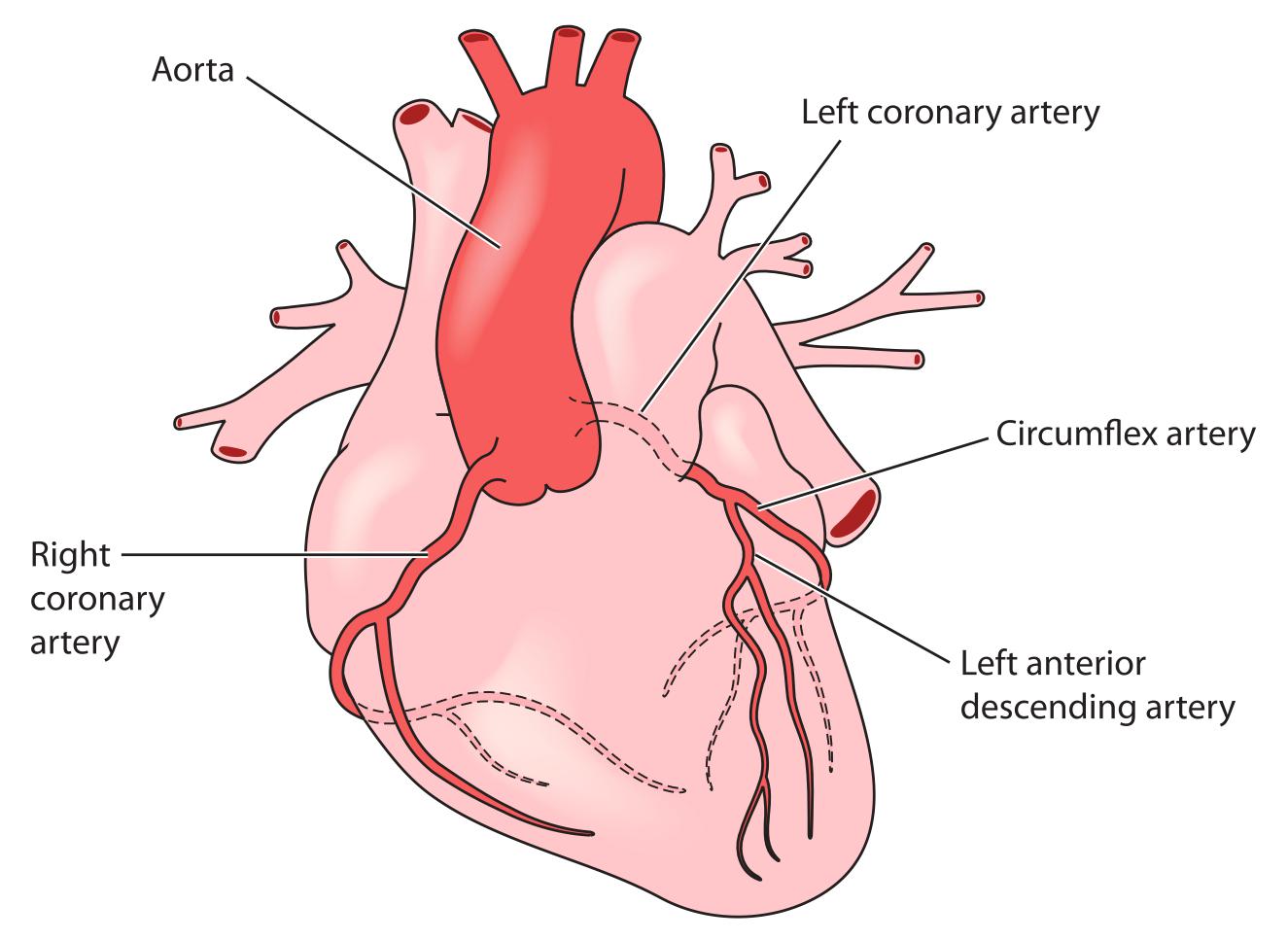
Percutaneous coronary intervention, commonly known as PCI, is a non-surgical procedure used to treat narrowing or blockages in the coronary arteries. These arteries supply blood to the heart muscle, and when they become narrowed due to plaque buildup, it can lead to serious health issues, including heart attacks. PCI aims to restore adequate blood flow, thereby reducing the risk of heart-related complications.
How is Percutaneous Coronary Intervention Done?
Understanding how percutaneous coronary intervention is done involves several stages, from initial assessment to post-procedure care. Below, we outline the key steps involved in the PCI process:
1. Pre-Procedure Assessment
Before the procedure, your Consultant will conduct a thorough evaluation, including:
- Medical history review
- Physical examination
- Diagnostic tests such as ECG, echocardiography & CT imaging of the coronary arteries
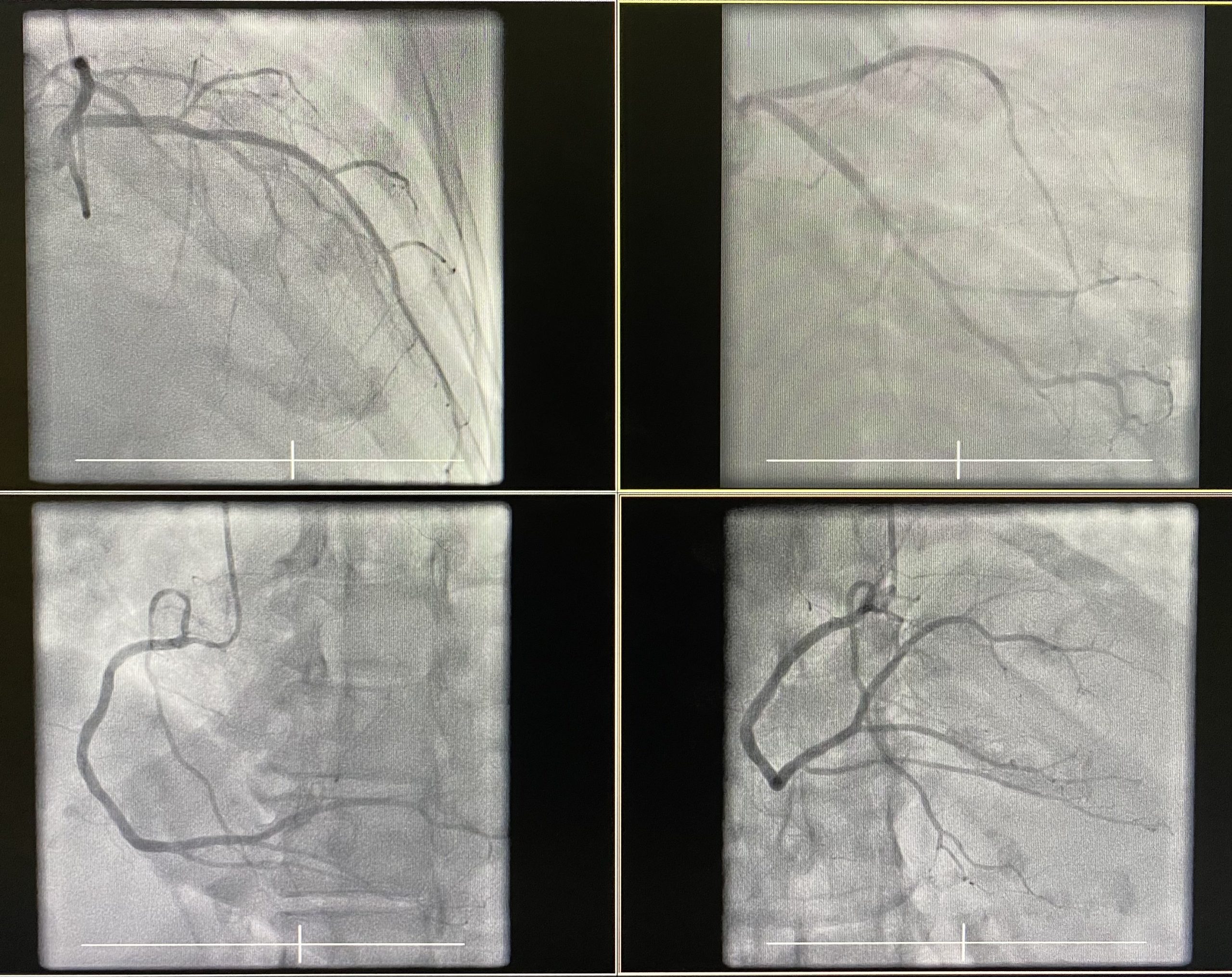
- Coronary angiography to visualise the blockages
This assessment is crucial for determining the suitability of PCI and formulating a personalised treatment plan.
2. Preparing for the Procedure
On the day of the procedure, patients typically receive instructions regarding fasting and medication. An intravenous (IV) line is established to administer sedatives and pain relief, ensuring comfort throughout the procedure.
3. Performing the PCI
During the procedure, the following steps are generally followed:
- The Cardiologist will make a small incision, usually in the wrist to access the radial artery (or rarely the groin to access the femoral artery).
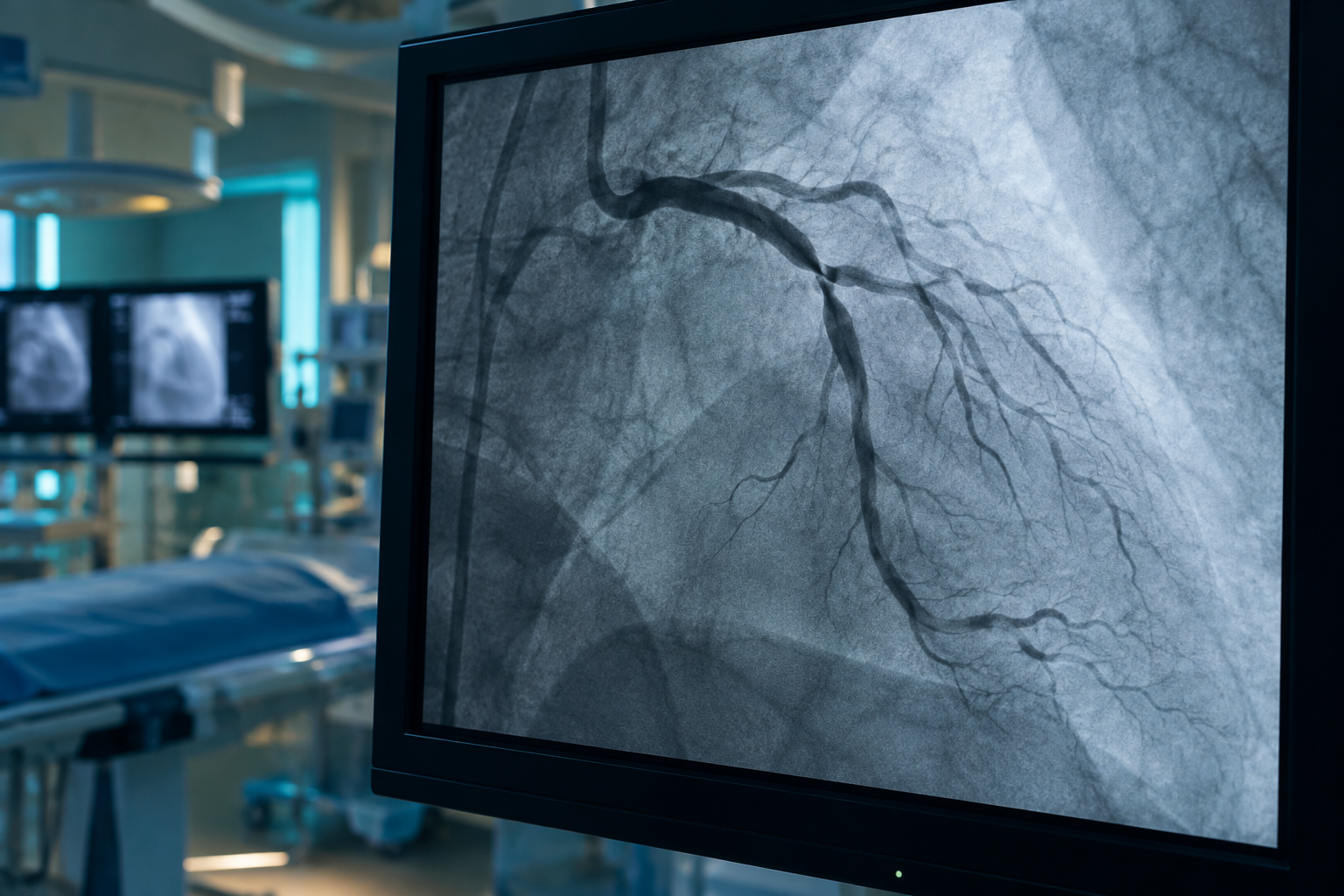
- A thin, flexible tube called a catheter is carefully inserted and guided to the coronary arteries using X-ray imaging for precise navigation.
- Once the catheter reaches the coronary artery, a contrast dye is injected to enhance visibility on the X-ray images.
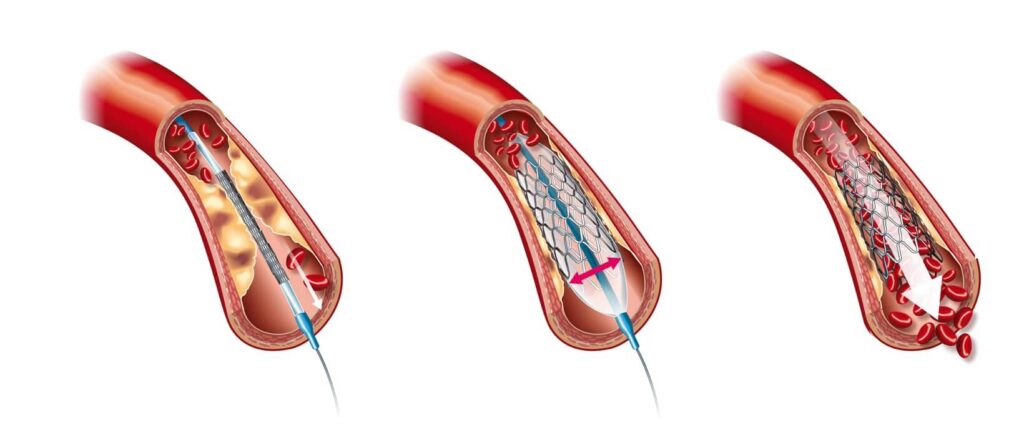
- The Cardiologist will then pass a coronary guide wire down the artery through the narrowing and use this to deliver a balloon catheter to inflate the narrowed or blocked artery, compressing the plaque against the artery walls.
- In most cases, a stent—a small mesh tube—is placed in the artery to keep it open and restore blood flow.
This entire process typically lasts between 30 to 90 minutes, depending on the complexity of the case. Research has shown that PCI can reduce the risk of heart attack in patients with significant coronary artery disease.
4. Post-Procedure Care
After the PCI, patients are moved to a recovery area where they are monitored for any complications. The healthcare team will check vital signs and assess the insertion site for bleeding or swelling. Patients may be advised to stay in the hospital for a few hours or overnight for observation.
5. Recovery and Aftercare
Most patients can resume normal activities within a few days, although specific guidelines will be provided by the Cardiologist. Follow-up appointments are essential to monitor recovery and manage any ongoing medications, including anti-platelet drugs to prevent clot formation in the stent.
What Are the Benefits of Percutaneous Coronary Intervention?
Percutaneous coronary intervention offers several advantages compared to traditional open-heart surgery in the right patient, including:
- Minimally invasive approach reduces recovery time
- Lower risk of complications such as infection
- Shorter hospital stay
- Enhanced immediate relief from symptoms
These benefits make PCI an appealing option for many patients suffering from coronary artery disease.
What Are the Risks Associated with PCI?
While PCI is generally safe, it is not without risks. Potential complications include:
- Bleeding at the catheter insertion site
- Allergic reaction to contrast dye
- Infection
- Heart attack or stroke (though rare)
Your Cardiologist will discuss these risks in detail during the pre-procedure consultation, ensuring you are fully aware before proceeding and able to provide informed consent.
Who Should Consider Percutaneous Coronary Intervention?
Percutaneous coronary intervention may be suitable for individuals experiencing:
- Angina (chest pain) that is not manageable with medication
- Severe blockages in coronary arteries
- Heart attack symptoms
It is always recommended to consult with a specialist, such as Dr Navin Chandra, to determine if PCI is the right course of action for your specific condition.
Frequently Asked Questions
How is percutaneous coronary intervention done?
Percutaneous coronary intervention involves inserting a catheter into a blocked artery, using a balloon to open the blockage, and often placing a stent to keep the artery open. The procedure is performed under local anaesthesia and usually takes 30 to 90 minutes.
What should I expect during recovery from PCI?
Recovery from PCI is typically quick. Most patients can return to normal activities within a few days. However, you should follow your Consultant’s advice regarding rest and any prescribed medications.
Are there any dietary restrictions after PCI?
Following PCI, it’s advisable to maintain a heart-healthy diet. This includes eating plenty of fruits, vegetables, whole grains, and lean proteins while limiting saturated fats, cholesterol, and salt.
How effective is PCI in treating coronary artery disease?
PCI, in conjunction with medication, is highly effective for relieving angina and improving blood flow to the heart. Many patients experience significant improvement in symptoms and quality of life post-procedure, with studies indicating up to 90% of patients report improvement.
Can PCI be performed on high-risk patients?
Yes, PCI can be performed on high-risk patients. Your Cardiologist will evaluate your individual health status and work to minimise risks during the procedure.
In conclusion, understanding how percutaneous coronary intervention is done can empower patients to make informed decisions about their cardiovascular health. If you or a loved one is wondering if PCI is needed, schedule a consultation with Dr Navin Chandra to discuss the best treatment options for your specific issues.
Have Questions About Your Heart Health?
Schedule a consultation with Dr Chandra to discuss personalized strategies for maintaining optimal cardiovascular health.