Transcatheter aortic valve implantation (TAVI) is a minimally invasive procedure aimed at replacing a narrowed aortic valve that fails to open properly, a condition known as aortic stenosis. This innovative treatment method provides a less invasive alternative to traditional open-heart surgery, allowing quicker recovery and reducing risks for patients who may be too frail for conventional surgical options. In this blog, we will delve into the details of TAVI, its benefits, the procedure itself, and what patients can expect both before and after treatment.
Dr Navin Chandra is a Consultant Interventional Cardiologist who specialises in cardiovascular health, including the management of aortic stenosis and transcatheter aortic valve implantation. Located in East Berkshire & South Buckinghamshire, he offers private consultations, focusing on advanced, minimally invasive cardiac treatments aimed at improving patient outcomes.
Why is Transcatheter Aortic Valve Implantation Needed?
Aortic stenosis occurs when the aortic valve narrows, restricting blood flow from the heart to the rest of the body. This condition can lead to serious complications, such as heart failure or sudden cardiac death if left untreated. Symptoms of aortic stenosis include:
- Shortness of breath, especially during physical activity
- Chest pain or discomfort
- Fatigue
- Dizziness or fainting
TAVI is recommended for patients who are at high risk for surgical complications or those with other medical conditions that make traditional surgery less viable. Employing a catheter-based approach, TAVI allows for valve replacement without large incisions in the chest.
How is Transcatheter Aortic Valve Implantation Performed?
The TAVI procedure generally involves several key steps. While the specifics may vary depending on each patient’s condition and the healthcare team, the general process includes:
- Pre-Procedural Assessment: Patients undergo thorough evaluations, including imaging studies and consultations and multidisciplinary Heart Team discussion to determine eligibility for TAVI.
- Anaesthesia: The procedure is typically performed under local anaesthesia, often combined with sedation, allowing patients to remain comfortable while awake.
- Access Site Insertion: A small incision is made, usually in the groin (transfemoral approach) to access the arteries.
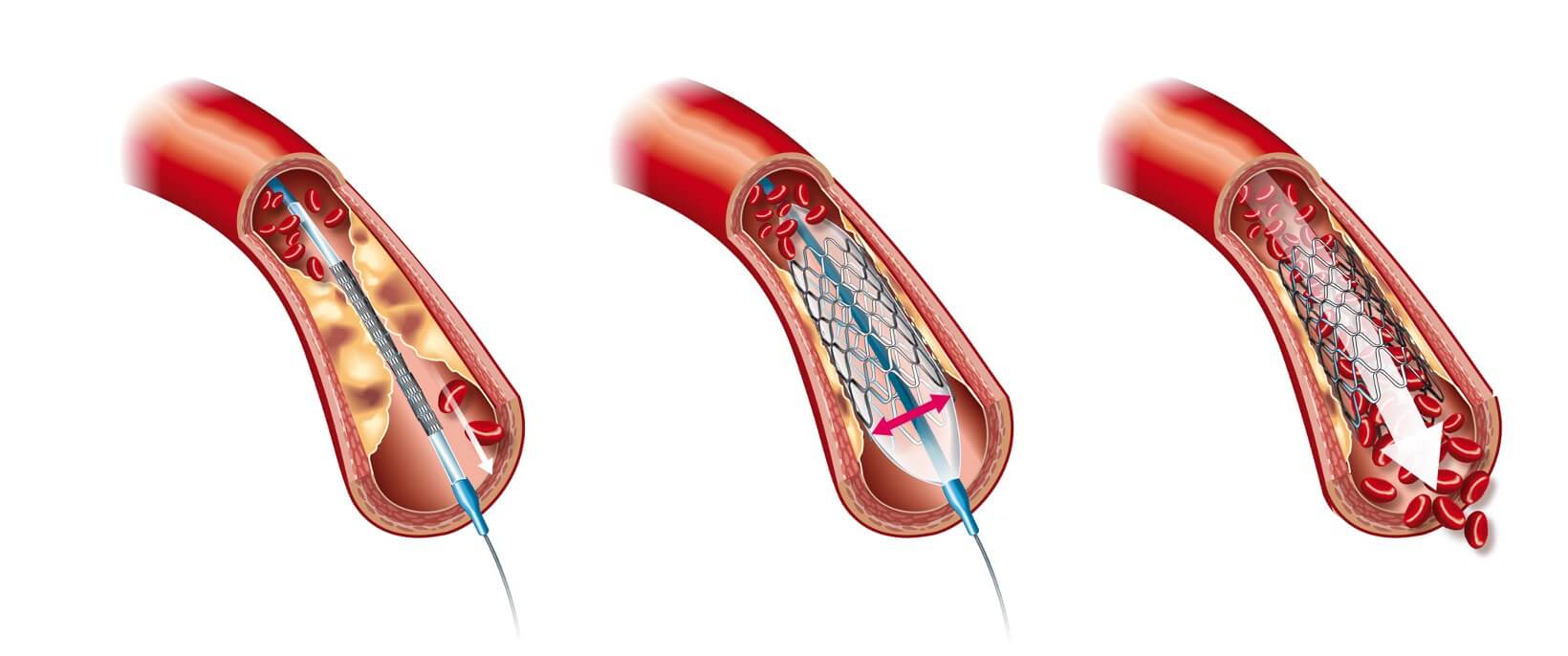
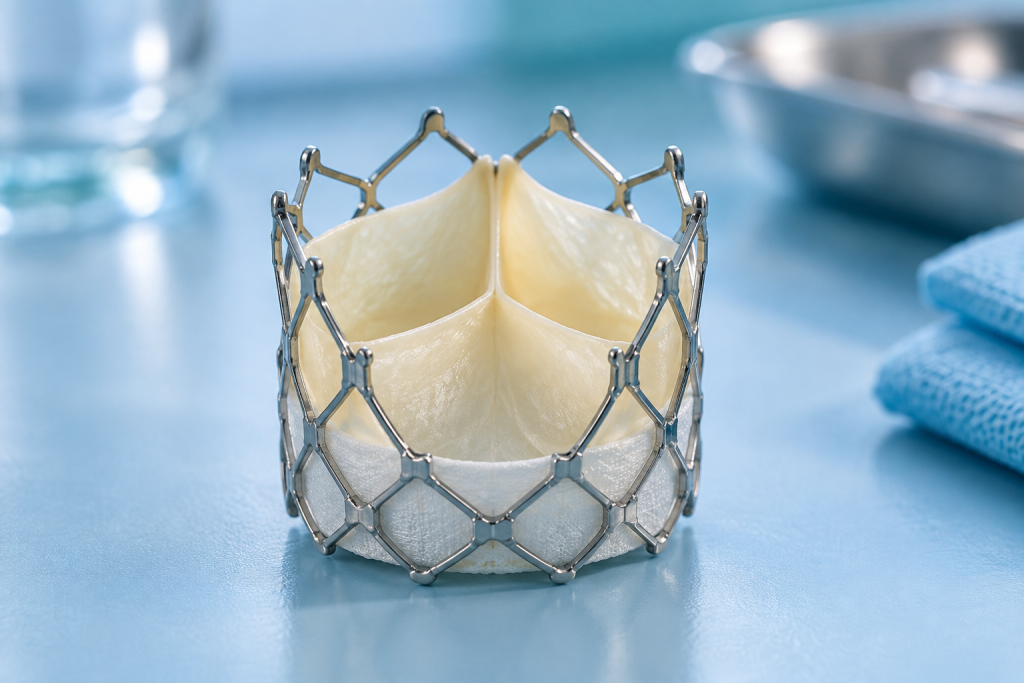
- Valve Delivery: A catheter is inserted through the artery and guided to the heart, where the new valve is carefully positioned and deployed within the existing valve.
- Post-Procedure Monitoring: After the procedure, patients are monitored closely to ensure there are no complications before discharge.
What are the Benefits of Transcatheter Aortic Valve Implantation?
TAVI offers numerous advantages over traditional surgical valve replacement, particularly for patients at higher risk. Key benefits include:
- Minimally Invasive: Smaller incisions lead to less pain and a reduced risk of infection.
- Quicker Recovery: Most patients can return to normal activities within a few days, compared to several weeks for open-heart surgery.
- Shorter Hospital Stay: Many patients can leave the hospital within 24 to 48 hours after the procedure.
- Lower Risk of Complications: TAVI is associated with fewer complications in high-risk patients compared to traditional surgery.
What are the Risks and Considerations with TAVI?
Like any medical procedure, TAVI is not without its risks. Potential complications may include:
- Bleeding or infection at the access site
- Stroke due to blood clots
- Heart rhythm abnormalities
- Valve leakage (paravalvular leak)
Patients should discuss these risks with their Cardiologist to weigh the benefits against potential complications. Regular follow-up after TAVI is essential to monitor heart function and ensure the new valve is performing optimally.
What Should Patients Expect After Transcatheter Aortic Valve Implantation?
After the procedure, patients typically spend one to two days in the hospital for monitoring. During this time, healthcare professionals assess recovery and address any immediate concerns. Post-procedure care usually includes:
- Medications to prevent blood clots and manage heart function
- Regular follow-up appointments for echocardiograms and consultations
- Guidance on lifestyle changes to promote heart health
Most patients report significant improvement in symptoms such as shortness of breath and fatigue, allowing for a better quality of life and increased physical activity. Approximately 70% of patients experience an improvement in their quality of life after TAVI.
How to Prepare for a Consultation About TAVI?
If you suspect you may have aortic stenosis or have been diagnosed and are considering TAVI, here are some tips to prepare for your consultation:
- List Your Symptoms: Be ready to discuss your symptoms, their duration, and how they impact your daily life.
- Gather Medical History: Compile your medical history, including current medications and previous surgeries.
- Questions: Write down any questions you may have about TAVI, its risks, benefits, and alternatives.
Dr Navin Chandra is available for consultations to discuss whether what is transcatheter aortic valve implantation may be suitable for you. His expertise in this field ensures that patients receive comprehensive care tailored to their unique needs.
Frequently Asked Questions
What is transcatheter aortic valve implantation?
Transcatheter aortic valve implantation (TAVI) is a minimally invasive procedure that replaces a narrowed aortic valve, improving blood flow and alleviating symptoms associated with aortic stenosis.
Who is a candidate for TAVI?
Candidates for TAVI typically include patients with severe aortic stenosis who are at high risk for complications from traditional open-heart surgery, often due to age or comorbid conditions.
What are the recovery times after TAVI?
Most patients experience a quick recovery and can return to normal activities within several days, with hospital stays usually lasting 24 to 48 hours.
Are there any lifestyle changes needed after TAVI?
Yes, patients are often advised to adopt heart-healthy habits, including a balanced diet, regular exercise, and medication adherence, to optimise heart health post-procedure.
What are the risks associated with TAVI?
Potential risks include bleeding, infection, stroke, heart rhythm issues, and valve leakage. Discussing these with your Cardiologist can help manage expectations.
How can I schedule a consultation for TAVI?
To find out whether what is transcatheter aortic valve implantation may be suitable for you, book a consultation with Dr Navin Chandra. He is dedicated to providing personalised care for all cardiac conditions.
Understanding TAVI can empower patients facing aortic stenosis to make informed decisions about their heart health. If you have further questions or would like to explore your options, please contact Dr Navin Chandra for expert advice and support.
Have Questions About Your Heart Health?
Schedule a consultation with Dr Chandra to discuss personalized strategies for maintaining optimal cardiovascular health.