

Understanding the Condition
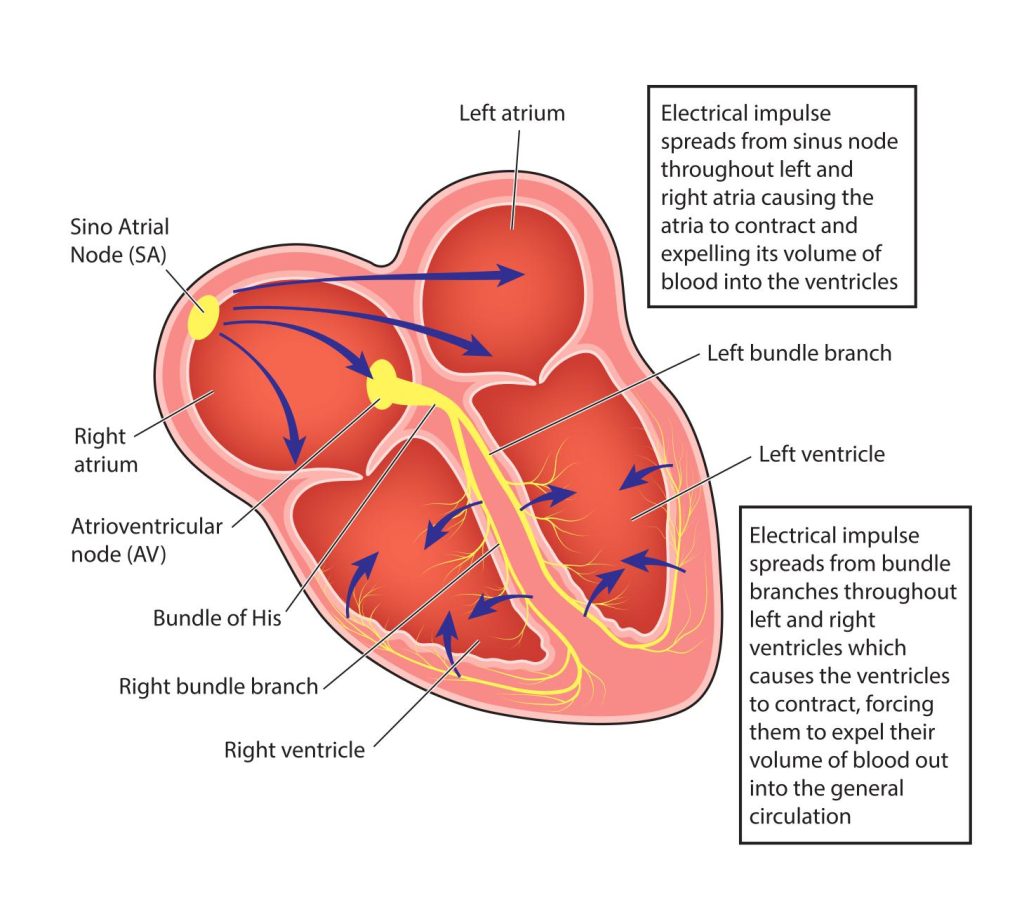
Heart rhythm disorders, known as arrhythmias, occur when the heart’s electrical system does not function correctly, causing the heart to beat too fast, too slowly, or irregularly. Some arrhythmias are entirely benign; others require prompt diagnosis and treatment to reduce the risk of stroke, heart failure, or sudden cardiac arrest. Dr Navin Chandra provides specialist assessment and personalised management for the full spectrum of rhythm disorders in East Berkshire & South Buckinghamshire.
Symptoms
- Palpitations or racing heartbeat
- Irregular pulse or 'skipped beats'
- Dizziness or light-headedness
- Heart failure (systolic or diastolic)
Common Causes / Risk Factors
- Atrial fibrillation (AF)
- Supraventricular tachycardia (SVT)
- Ventricular ectopic beats
- Heart block or sick sinus syndrome
Treatment Options
Dr Chandra tailors each treatment plan to the specific arrhythmia, patient risk profile, and lifestyle. The goal is to restore and maintain normal rhythm, relieve symptoms, and reduce long-term cardiovascular risk, with the least invasive approach appropriate to each individual. Tests and management options include:
- 12-lead ECG
- 24–48 hour Holter monitoring
- 7-day event recording
- Implantable loop recorder (ILR)
- Rate and rhythm control medication
- Anticoagulation for AF stroke risk with blood thinning medications
- DC cardioversion
- Electrophysiological study and catheter ablation referral
Frequently Asked Questions
Electrophysiological study and catheter ablation referral
Atrial fibrillation (AF) is the most common sustained heart rhythm disorder, affecting the heart’s upper chambers. It causes an irregular, often rapid heartbeat and increases the risk of stroke if left untreated. With the right combination of rate or rhythm control medication and anticoagulation (blood thinning) therapy, most patients with AF can lead a full and active life. Dr Chandra has extensive experience in managing AF and will tailor treatment to your individual risk profile and preferences.
My palpitations are infrequent — can they still be diagnosed?
Capturing infrequent arrhythmias requires longer periods of rhythm monitoring. Dr Chandra has access to 7-day event recorders and implantable loop recorders (ILRs) — small devices inserted just beneath the skin that monitor heart rhythm continuously for up to three years. These tools make it possible to diagnose even infrequent and rare rhythm disturbances and guide targeted treatment.
What is catheter ablation and is it suitable for me?
Catheter ablation is a minimally invasive procedure that targets and destroys the abnormal electrical pathways responsible for certain arrhythmias. It is highly effective for conditions such as SVT, AF, and atrial flutter. Suitability depends on the specific rhythm disorder, overall cardiac health, and patient preference. Where ablation is appropriate, Dr Chandra will arrange a referral to a specialist electrophysiology centre and guide you through the process.
Ready to Get Started?
Book a consultation with Dr Navin Chandra to discuss your heart rhythm and receive expert cardiac care in Eats Berkshire & South Buckinghamshire.